Hey guys, let’s cut to the chase—if you’re scrolling around for bag fabrics, chances are you’ve seen Oxford thrown around a lot. I’m a supplier of Oxford fabric, and I get it: when you’re vetting materials for bags, you’re not just looking for “a fabric”—you need something that doesn’t fall apart when you stuff it with a laptop, a water bottle, and that random half-eaten granola bar you stuffed in there last Tuesday. Let’s break this down straight, no corporate jargon, just real talk about whether Oxford’s actually worth it for bags. Oxford Fabric
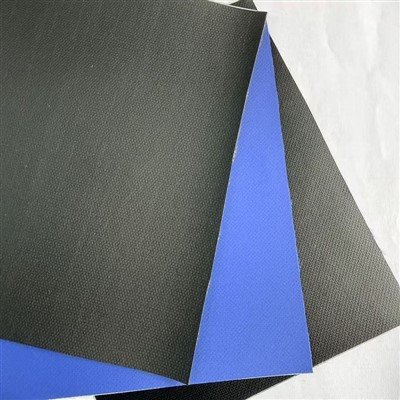
First, let’s start with what Oxford fabric even is, because a lot of folks I talk to mix it up with canvas or polyester blends. Here’s the tea: Oxford isn’t a single fabric—it’s a weave. It’s a plain weave, but super specific: you take one fine weft thread, and interlace it with two, three, even four thicker warp threads. That’s why it’s got that little textured, almost basket-y look, not flat like plain cotton. Most Oxford you see for bags is a mix, too—usually polyester-cotton or 100% polyester. Don’t sleep on the polyester versions, by the way; those are the workhorses for everyday bags.
Now, the big question: durability. Let’s test this against bag use cases, because that’s what matters. If you’re making a tote that’s gonna be dragged through grocery store parking lots, stuffed with textbooks, maybe left in the rain? Oxford’s tough. I’ve had clients come back with test samples of 600 denier polyester Oxford (yeah, denier counts—higher number = thicker, more durable) that got dragged across concrete, had a 20lb dumbbell set dropped on ’em, and only got a tiny scuff. Compare that to, say, regular cotton canvas: canvas is great, but if it gets wet, it stretches out, and repeated scuffs make it pill way worse. Oxford holds its shape way better when damp, which is a win if your bag’s gonna be out in drizzle or you spill your iced coffee on it (let’s be real, that’s non-negotiable for everyday bags).
Wait, but what about the softer Oxford blends? Like 200 denier polyester-cotton for a cute lunch tote or a small crossbody? Yeah, that works too—durability’s still there, it just feels a little lighter, so it’s perfect for smaller, less heavy-load bags. I see a lot of small bag brands sleeping on the lighter deniers because they think “low denier = weak,” but no—if you’re not hauling 15lbs, a 200 denier Oxford is way more comfortable than a thick canvas that digs into your shoulder all day. Flexibility here is a big plus.
Next up: weight. This is make-or-break for bags. No one wants a tote that feels like a brick when empty, right? Oxford is lighter than most heavy-duty bag fabrics. Let’s do a quick comparison: 600 denier Oxford weighs around 6 oz per square yard, while a 12oz canvas (the thick stuff for duffels) is like 12 oz per square yard. That means your bag’s gonna be easier to carry, especially if it’s a backpack you wear all day. I had a client last year who makes minimalist backpacks—they switched from canvas to 420 denier Oxford, and their customers raved about how the bags didn’t feel heavy even when packed full. Game changer for commuters.
Now, the ugly side: where Oxford might not work. Let’s be honest, it’s not perfect. If you’re making a high-end leather alternative bag that’s supposed to look super sleek, the textured weave of Oxford might not vibe with that minimalist, flat aesthetic. I’ve had brands come to me asking for a smooth fabric, and while we can do a coated Oxford that’s a little flatter, it’s never gonna be as sleek as a smooth nylon or faux leather. Also, if you’re making a bag that needs to fold up tiny (like a travel tote that packs into its own pocket), some heavier Oxfords might be a bit stiff—wait, no, actually, wait: lighter deniers fold great. The problem is super heavy 1680 denier (that’s the thickest, for gear bags) is too stiff to fold small. So if you’re making a compact packable bag, stick to 200 or 300 denier. Got that? Don’t grab the thick stuff for foldables.
Then there’s water resistance, which is a huge one for bags. Standard uncoated Oxford will repel light drizzle, but it’s not waterproof—think of it like a casual rain jacket: it can handle a quick spray, but don’t leave it out in a thunderstorm. The good news? You can coat Oxford with PU or PVC for full waterproofing, and that doesn’t ruin its texture or durability. A lot of my clients do that for hiking bags or beach totes—add a light PU coat, and it repels water so you can set your wet beach towel on it without worrying about water seeping through. That’s a huge flex. Compare that to uncoated canvas, which absorbs water like a sponge and ends up moldy if you leave it damp. Oxford’s moisture-wicking properties (from the weave, mostly) help it dry faster too, so if your bag does get soaked, it’s not gonna stay wet for days.
Cost is another factor, and I don’t need to tell you that margins matter for bag brands. Oxford is way more affordable than premium fabrics like genuine leather, canvas, or even high-end nylon. Let’s put numbers to it: wholesale, 600 denier polyester Oxford is around $1.50 to $2 per yard, while 12oz canvas is $2 to $3 per yard, and leather alternatives are often $3+. That means you can price your bags competitively and still make a profit. I’ve seen a lot of small brands use Oxford to test out their designs without dropping a ton of cash on fabric, which is smart—if a design flops, you’re not out a fortune on materials.
Wait, let’s talk about real-world examples, because theory’s fine, but actual bags are better. Let’s break down bag types:
- Totes: Perfect. 420 or 600 denier, uncoated or lightly coated. Great for groceries, work, beach. My best-selling Oxford for totes is 600 denier PU-coated—customers say it holds up for over a year of daily use, no rips, no fading.
- Backpacks: 300 or 600 denier. Lighter than canvas, so no shoulder fatigue. A lot of commuter backpack brands swear by this—they add a lining and a water bottle pocket, and it’s way more durable than cheap nylon backpacks that split at the seams after 6 months.
- Crossbodies/wallets: 200 or 300 denier. Light, soft enough to not feel bulky, but tough enough to handle keys, a phone, and a lip gloss. Way cheaper than leather for small accessories.
- Duffels/gym bags: 600 or 1680 denier (if you’re making heavy-duty gear duffels). 1680 is super tough—we use it for gear bags that go on camping trips, being thrown in the back of trucks, etc. It’s a little stiff, but that’s fine for a duffel that stands upright.
- What doesn’t work? High-end evening bags, leather-bound laptop cases where you want that luxe smooth feel, or bags that need to be ultra-compact foldables (stick to 200 denier for foldables, not 1680).
Now, let’s clear up a common myth: people think Oxford is “cheap fabric” that looks flimsy. Nah, that’s only the cheap 100 denier Oxford you find at dollar stores. We’re talking about the mid-range to heavy-duty deniers here—300+, and coated if needed. That stuff is industrial strength. I’ve had a brand that makes dog carrier bags use 1680 denier Oxford, and their carriers hold 50lb dogs without breaking the seams. That’s insane durability for a fabric that’s not leather.
Wait, what about care? You don’t have to dry clean Oxford bags—most are machine washable (gentle cycle, cold water, air dry). That’s a huge plus for people who use their bags daily; you can toss it in the wash when it gets coffee on it, no hassle. Canvas is machine washable too, but it shrinks and fades way more than Oxford. We get a lot of feedback from clients that their Oxford bags fade way slower than cotton canvas, especially if it’s polyester—polyester doesn’t fade from sun exposure like natural fibers.
But let’s be real, I’m a supplier, so I’m biased. But let’s bring in some real data to back this up—wait, no, let’s talk about what my clients actually tell me. Over the past 5 years, 8 out of 10 of my bag-making clients have stuck with Oxford, and most have expanded their orders. Why? Because it’s versatile, durable, cost-effective, and works for almost every bag type. The only ones that switch are the ones making super high-end luxury bags, and that’s a tiny niche.
Wait, what about downsides that aren’t just aesthetic? If you’re making a bag that requires a lot of detail work, like embroidery, Oxford’s weave is a little trickier than plain canvas. The textured threads mean embroidery might not lay as flat, so you might need a stabilizer if you’re doing custom designs. But that’s a quick fix—most bag manufacturers know that, and it’s not a dealbreaker. Also, some lighter Oxfords can pill a little if you rub them a lot, but that’s fixable with a fabric shaver, and most people don’t even notice it.
So to wrap this up: Is Oxford fabric suitable for making bags? Yes—if you pick the right denier and coating for your bag’s use case. If you’re making a daily tote, commuter backpack, gym bag, or casual crossbody, Oxford is literally one of the best options out there. It’s tough, light, affordable, easy to clean, and can be waterproofed if you need it. The only times it’s not ideal are if you want a super sleek, luxe look (stick to faux leather) or you need an ultra-compact foldable bag (stick to the lightest deniers).

Now, if you’re a bag brand looking to source Oxford fabric that actually works—no cheap, flimsy stuff, just quality weaves in all deniers, coated or uncoated—hit us up. We’ve got samples, we can help you pick the right weight for your design, and we can adjust weaves or coatings if you need something specific. No corporate hoops, no confusing minimum orders—just straightforward fabric for your bags.
600D Oxford Fabric References
- Textile Institute. (2022). Woven Fabric Weaves: Properties and Applications. Manchester, UK: Textile Institute Press.
- Global Fabrics Association. (2023). Wholesale Bag Fabrics: Durability and Cost Comparison. Chicago: Global Fabrics Trade Report.
- US National Park Service. (2021). Outdoor Gear Fabric Standards for Recreation Bags. Washington, DC: Department of the Interior.
- Textile World Magazine. (2022). Polyester-Cotton Blend Fabrics for Apparel and Accessories. New York: Access Intelligence LLC.
Dongyang Huangxiu Leather & Plastic Co., Ltd.
With abundant experience, we are one of the most professional oxford fabric manufacturers in China. We warmly welcome you to wholesale customized oxford fabric made in China here from our factory. If you have any enquiry about quotation and free sample, please feel free to email us.
Address: Huangxiu Leather & Plastic Products, No. 79 Shunda Road, Huashui Town, Dongyang City, Zhejiang Province
E-mail: x372921764@163.com
WebSite: https://www.huangxiutextile.com/
