Hey there! Let’s cut to the chase—if you’re running a water treatment plant, you know the core equipment (filters, reverse osmosis skids, clarifiers) only gets you so far. The stuff no one talks about? The auxiliary gear that keeps the whole operation from grinding to a halt. I’m the owner of a small auxiliary equipment supplier, and I’ve spent 12 years out on plant floors, troubleshooting for municipal systems, industrial factories, and even rural water providers. Today, I’m pulling back the curtain on the unsung heroes of water treatment. Auxiliary Equipment

First off, let’s level set: auxiliary equipment is anything that supports the main process, not the end product itself. Skip this gear, and you’re looking at breakdowns, missed compliance deadlines, and way higher maintenance costs down the line. I see it all the time—plant ops teams cut corners on cheap auxiliary parts, then call me panicking because their chemical feed pump died mid-disinfection round. So let’s break down the big ones, the ones we actually stock and service.
- Chemical Feed Systems & Dosing Pumps
Wait, I know what you’re thinking—“That’s core!” No, hear me out. The main process is, say, adding alum to settle solids, but the actual hardware that measures, mixes, and pushes that chemical is auxiliary. And not all dosing pumps are created equal. We sell a lot of diaphragm pumps these days because they handle harsh chemicals (ferric chloride, sodium hypochlorite) way better than old plunger pumps. The key here is accuracy—if your dosing is off by even 5%, your effluent might fail turbidity tests, or you’ll waste a fortune on chemicals.
Also, don’t sleep on the mixing tanks that go with these. We supply both small 50-gallon day tanks for industrial plants (they don’t need to store a month’s worth of chemical) and 5,000-gallon bulk tanks for municipal systems. A common mistake: using a regular garden hose to mix chemicals. We’ve got in-tank mixers with variable speeds that cut mixing time in half and prevent sediment buildup on the bottom of the tank. Last year, a food and beverage plant in Ohio was using a static mixer and had a 12% variation in alum concentration—we swapped in our variable-speed mixer, and that variation dropped to 1.5%. Game changer.
- Sludge Dewatering Equipment
This is another one that’s easy to overlook, until you’re stuck hauling 10 tons of wet sludge to a landfill every week. Sludge is the solid byproduct from clarifiers or filters, and you can’t just pump it out and dump it—you need to remove water to cut disposal costs. Our go-to auxiliary gear here: belt filter presses and centrifuges.
Wait, why not just let the main filter handle this? The main process filter is for treating influent water, not the thick sludge byproduct. We install small belt presses for smaller plants (500,000 gallons a day) and larger centrifuges for bigger municipal systems. The difference? Belt presses use fabric belts to squeeze water out, so they’re gentler on polymer chemicals (which you also need for flocculating sludge). Centrifuges spin at high speed, so they’re more effective for thick, sticky sludge—great for industrial plants like paper mills that have really gunked-up byproduct. Pro tip: We always tell plants to size their dewatering equipment for 120% of their peak sludge output. Last time I worked with a plant that sized for exactly 100%, they got hit with a rain event (more runoff = more sludge) and ended up dumping wet sludge on the ground to avoid overflow. Big compliance fine for that—don’t repeat it.
- Process Valves & Actuators
Okay, valves sound boring, but they’re the traffic cops of your plant. You need to control the flow of water, chemicals, and sludge through every pipe. We stock everything from simple ball valves to automated butterfly valves, paired with electric or pneumatic actuators. The big mistake here: using manual valves for high-traffic lines. If your plant runs 24/7, you can’t have an op team crawling around a pipe to turn a valve every time you need to adjust flow. Automated actuators also let you tie your plant’s SCADA system into it, so you can make flow adjustments remotely—huge for reducing labor costs.
Another thing: check valves. These stop water from flowing backward, which can contaminate your fresh water lines. We’ve had so many calls from plants that had cross-contamination issues because a cheap check valve failed. The right check valve (not the $5 one from a hardware store) can save you from a $10,000+ cleanup and compliance penalty. We specialize in industrial-grade check valves designed specifically for wastewater lines, not regular potable water—don’t mix those up.
- Air Compressors & Aeration Blowers
Aeration is huge for biological treatment (like activated sludge systems for industrial wastewater). You need air to feed the good bacteria that break down organic waste. Aeration blowers are auxiliary equipment here, not the main process—though they’re way more critical than most people realize. I see a lot of plants use old, inefficient blowers that guzzle electricity. We supply variable-speed blowers that adjust airflow based on real-time BOD (biological oxygen demand) readings. One textile plant I worked with was using a fixed-speed blower that ran 24/7, even on weekends when BOD was super low. We swapped in a variable-speed model, and their energy bill dropped by 28%—that’s a huge win for their bottom line.
Air compressors go hand in hand with this—they power the pneumatic actuators we talked about earlier, and also some chemical feed pumps. If your air compressor fails, your actuators stop working, your pumps stop working, and your whole plant shuts down. We do routine maintenance checks for all our compressor clients—way cheaper than fixing a dead compressor at 2 a.m. when your plant is supposed to meet a discharge deadline.
- Level Sensors & Flow Meters
You can’t manage what you don’t measure, right? Level sensors tell you how full your chemical tanks are, how much sludge is building up in clarifiers, and how much water is flowing through your lines. Flow meters track influent and effluent flow, which is required for compliance reports. The key here is choosing the right sensor for the job. For example, ultrasonic level sensors work great for open tanks (like clarifiers) but are garbage for closed chemical tanks—they get messed up by chemical fumes. We use radar level sensors for closed tanks, which are way more reliable for harsh environments.
Flow meters: electromagnetic flow meters are the standard for water treatment because they handle all types of water (potable, wastewater, sludge) without getting clogged. We’ve had way too many clients try to use mechanical flow meters, which get jammed with sediment or sludge, leading to bad data and missed compliance reports. Pro move: Calibrate your level sensors and flow meters every 6 months. It’s a 2-hour job, and it keeps your data accurate.
Now, let’s talk about what makes this stuff different from the cheap junk you can get on Amazon or at a big box industrial store. A lot of suppliers cut corners on auxiliary equipment—using low-grade materials that corrode, or parts that aren’t designed for 24/7 plant use. We don’t do that. All our gear is tested for 5+ years of continuous use, and we offer 24/7 support because when your plant is down, downtime costs way more than the price of good auxiliary equipment.
I get it—you might be operating on a tight budget, especially if you’re a small municipal plant or a small industrial factory. We don’t do bait-and-switch pricing. We work with you to size the right equipment for your plant, not oversell you on a 10,000-gallon tank when you only need 2,000. We also offer rent-to-own options for larger pieces if you can’t drop a big chunk of cash upfront.
Last year, a rural water district out in Wyoming hit me up because their chemical feed pump died during the winter. Temperatures were below freezing, and they had a potable water line that was at risk of failing disinfection. We had a replacement pump on a truck to them within 8 hours, and a tech there to install it the next day. That’s the kind of service you don’t get from a big national supplier who treats you like a number.
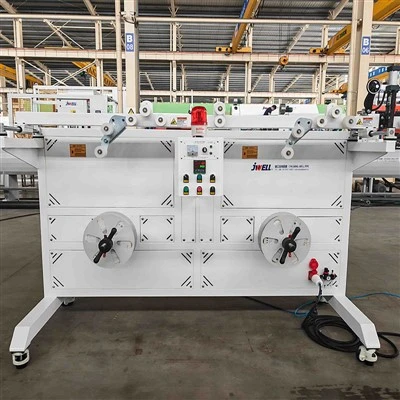
So, if you’re dealing with a breakdown, planning a plant expansion, or just want to upgrade your auxiliary gear to cut costs and stay compliant, reach out. We don’t push overpriced parts—we give honest advice based on 12 years on the job.
Pelletizing Line References:
- Water Environment Federation. (2020). Auxiliary Equipment for Municipal Water and Wastewater Treatment Plants. WEF Press.
- American Water Works Association. (2019). Selection and Maintenance of Water Treatment Auxiliary Systems. AWWA Standard.
- National Water Research Institute. (2021). Energy Efficiency in Water Treatment Auxiliary Equipment. NWRI Technical Report.
- Occupational Safety and Health Administration. (2022). Safety Standards for Water Treatment Plant Auxiliary Equipment. OSHA 3185.
- Sludge Management Association. (2020). Dewatering Auxiliary Systems for Water Treatment Sludge Disposal. SMA Guidelines.
Zhejiang Jwell Pipe Equipment Co., Ltd.
As one of the most professional auxiliary equipment manufacturers and suppliers in China, we’re featured by quality products and good price. Please rest assured to buy cheap auxiliary equipment in stock here from our factory. Customized orders are welcome.
Address: No.128 Qingfeng Road, Xieqiao Town, Haining City, Jiaxing City, Zhejiang Province
E-mail: salaa@jwell.cn
WebSite: https://www.jwell-pipe.com/
