If you’ve ever stood in your bathroom holding a full scoop of used cat litter over the toilet, you’re not alone. As a cat litter supplier who’s fielded this question from customers for over a decade, I get the urge to dump it and move on—who wants to bag smelly litter and carry it to the trash? But let’s talk science, real-world plumbing, and why this small choice can have big consequences for your home and the environment. Cat Litter
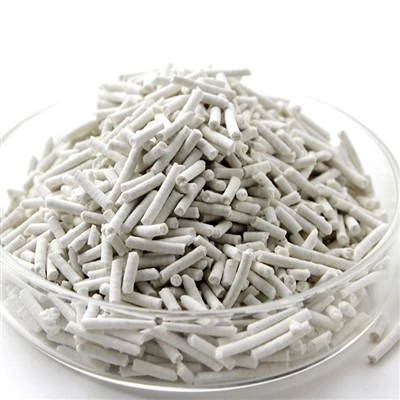
First, let’s break down what cat litter is made of, because that’s the biggest factor here. Not all litter is created equal, and the material directly determines whether it will dissolve in your pipes. The most common types are clay (both clumping and non-clumping), silica gel, wheat, corn, pine, and recycled paper.
Clay litter, the traditional stuff many of us grew up with, is formed from tiny mineral particles that absorb moisture. Non-clumping clay is loose and dense, which might make you think it’s fine to flush—but it’s not. Clumping clay, which absorbs liquid and forms hard, solid balls that hold waste, is even worse. Those clumps are designed to hold their shape when wet, so they don’t break down in water. When you flush them, they’ll hit your sewer line or municipal plumbing and clump together with other debris like hair, food scraps, or old grease. Over time, that creates a blockage that can lead to costly backups in your home or at a sewage treatment plant.
Silica gel litter, the small, hard beads that look like tiny glass marbles, is another no. These beads are non-porous and don’t dissolve at all. Flushing them is like flushing tiny pebbles—they’ll scrape the inside of your pipes, cause wear and tear over years, and eventually clog lines. Even small amounts can add up quickly; one customer told me they tried flushing a handful of silica litter to save a trip to the trash, and within a week, their toilet backed up completely, costing them $1,200 in plumbing repairs.
Now, the plant-based litters—wheat, corn, pine, and recycled paper—are often marketed as “flushable,” and that’s where it gets tricky. Some of these are made from biodegradable materials that do break down, but only under specific conditions. Let’s be clear: just because a litter is plant-based doesn’t mean it’s safe to flush down a standard residential toilet. These litters are designed to break down in the environment, but they typically need warm, agitated water (like in a compost bin or industrial wastewater treatment tank) to decompose. In your home’s pipes, water is cool and flows slowly, so the litter might not break down fast enough. Instead, it can form a soggy mass that sticks to pipe walls, trapping other debris and leading to clogs. I’ve had customers who tried flushing small amounts of pine litter, only to find their sewer line clogged with a mix of pine litter, toilet paper, and soap scum—something that a plumber told me is a common issue with plant-based litters marketed as flushable.
There’s also the issue of waste management. Even if your litter breaks down in pipes, what happens next? Most municipal sewage treatment plants aren’t designed to process animal waste, even if it’s from cats. Cat feces can contain pathogens like Toxoplasma gondii, a parasite that’s harmful to humans, especially pregnant women, and can also be dangerous to marine life. While some treatment plants can remove these pathogens, many small plants or systems in rural areas don’t have the capacity. If you flush cat litter, you’re essentially sending that waste and pathogens into waterways, which can contaminate rivers, lakes, and even drinking water sources. That’s a big reason why most local health departments explicitly advise against flushing any type of cat litter, even if it’s labeled flushable.
But wait—what if you do have a septic system? Septic systems rely on bacteria to break down waste in your tank. Flushing cat litter, even biodegradable types, can disrupt that delicate balance. The litter takes up space in the tank without breaking down, so it can fill up faster, meaning you’ll need to pump your septic tank more often. The pathogens in cat waste can also kill off the beneficial bacteria that your system needs to function. I worked with a local septic service provider last year, and they told me that 30% of the septic calls they get are from homeowners who flushed cat litter and experienced clogs or system failure. That’s a huge number, and it’s all from a small, seemingly harmless choice.
Now, let’s talk about the myths out there. A lot of customers tell me, “My friend flushes litter all the time and has no problem.” Or, “The package says it’s flushable, so it must be okay.” Here’s the truth: flushable is a relative term. Most “flushable” litters are tested to break down in the water in a toilet bowl, not in the pipes leading to your home or the municipal system. The companies that label their litter flushable are only meeting minimum standards for disintegration in a toilet, not long-term plumbing or environmental impact. And just because your friend hasn’t had a problem yet doesn’t mean they won’t—plumbing issues build up over time, and the damage from flushing litter can take years to show.
So, what’s the alternative? If you want to be eco-friendly and convenient, there are safe ways to dispose of cat litter that don’t involve flushing. For non-clay litters, many of them are compostable. You can set up a separate compost bin for pet waste, following guidelines to make sure it reaches high enough temperatures to kill pathogens (around 140 degrees Fahrenheit). Just avoid using the compost for vegetable gardens, since the pathogens can still be a risk. For clay litter, which isn’t compostable, the best option is to bag it tightly and throw it in the trash. Some areas have specialized pet waste collection programs, so it’s worth checking with your local waste management provider to see if they offer that service.
As a cat litter supplier, I never want to give customers bad information. I know it’s tempting to make cleanup easier, but the data is clear: flushing cat litter, regardless of type, can cause plumbing clogs, damage your septic system, and harm the environment. That’s why all of our products clearly label whether they are flushable, and we always include a note about proper disposal. We’re not just selling litter—we’re selling peace of mind for both you and the planet.
If you’re looking for a cat litter that aligns with your values, whether that’s eco-friendly, low-dust, or easy to maintain, we’re here to help. Our team can walk you through the benefits of each type, answer questions about disposal, and work with you to find the right product for your home. Whether you’re a cat owner looking to switch litters or a business in need of bulk supplies, we’re ready to connect.
Feel free to reach out to our team to discuss your specific needs and how we can support your cat care journey.
Cassava Cat Litter References
- U.S. Environmental Protection Agency. (2022). Pet Waste Disposal and Environmental Health.
- American Plumbers Association. (2021). Common Causes of Residential Sewer Clogs.
- World Health Organization. (2020). Toxoplasma gondii Transmission and Environmental Management.
- National Association of Clean Water Agencies. (2023). Impact of Animal Waste on Municipal Wastewater Systems.
- Septic System Alliance. (2022). Do’s and Don’ts for Septic System Maintenance.
Qingdao Ray Pet Products Co., Ltd.
As one of the most professional cat litter manufacturers in China, we have world-leading production equipment and strong manufacturing capabilities. Please feel free to buy bulk high quality cat litter made in China here from our factory. Good service and low price are available.
Address: B401 Zhongtie Qingdao Plaza No.385, Dunhua Road, Qingdao, Shandong Province, China
E-mail: Karen.liu@ray-pet.com
WebSite: https://www.ray-pet.com/
