If you’ve ever stood in a craft store, scrolled through an Etsy shop, or rummaged through a vintage clothing rack, you’ve likely spotted them: small, stitched works of art attached to jackets, backpacks, jeans, even tote bags. As an embroidery patch supplier, I get asked this question at least twice a week—sometimes from a teen looking to customize their skateboard shoes, sometimes from a boutique owner restocking their indie apparel line, and occasionally from a costume designer hunting for that final touch on a period piece. The short answer is: yes, floral-themed embroidery patches are not just a thing—they’re a cornerstone of our product catalog, and for good reason. But the story behind these patches goes far beyond “pretty flowers stitched on fabric”; it ties to craft history, consumer demand, and even a few surprising cultural twists that make this niche so dynamic. Embroidery Patch

Let’s start with the basics: what makes a floral embroidery patch different from, say, a logo patch or an animal-shaped patch? Floral designs rely on two core elements that set them apart: texture and versatility. Unlike a geometric shape that’s made of straight lines, petals can be stitched with satin stitch (the smooth, fill-heavy stitch that gives rose petals their soft look), lazy daisy stitch (the tiny, looped stitch used for daisies or single flower buds), or even French knots for stamen texture. That versatility means a floral patch can be tiny enough for a jacket lapel (less than two inches) or large enough to cover a whole backpack panel (six inches or more)—and it works for every aesthetic, from grunge to cottagecore, boho to minimalist.
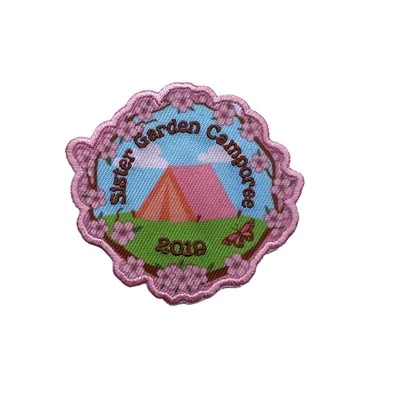
As someone who’s been supplying patches for over a decade, I’ve watched the demand for floral designs shift dramatically. Back in the early 2010s, floral patches were mostly limited to classic, generic designs: red roses, daisies, sunflowers. Then, around 2018, cottagecore blew up on social media, and suddenly we were getting custom requests for wildflower patches—designs that mimicked the look of a meadow, with clover, buttercups, and Queen Anne’s lace. A few years later, boho and “quiet luxury” trends took over, and we started seeing demand for minimalist floral patches: small, single lavender sprigs, delicate cherry blossoms, or even abstract floral outlines stitched with muted thread tones. Even streetwear brands have hopped on board—last year, we supplied custom cherry blossom patches to a skate brand that used them on hoodies, pairing the soft floral with bold, oversized graphics.
What’s interesting about floral embroidery patches is that they’re not just decorative; they carry cultural and personal meaning for a lot of buyers. A customer might order a lavender patch to put on a mom’s tote bag, since lavender is often associated with calm and care. A Japanese client might request a cherry blossom patch, not just because it’s pretty, but because sakura (cherry blossom) symbolizes the transient beauty of life—a key part of Japanese cultural symbolism. We’ve also had customers order custom floral patches for memorial purposes: a patch of the flower that bloomed in a loved one’s garden, stitched in their favorite colors, to attach to a jacket or purse. That emotional tie is why floral patches stay relevant even as other trends come and go—they’re not just accessories, they’re little symbols.
Now, if you’re wondering about the quality of floral embroidery patches, it’s worth noting that not all are created equal. As a supplier, I’ve seen the difference between a mass-produced floral patch and a hand-crafted (or digitally stitched with high precision) one. A cheap, mass-produced patch might have uneven satin stitch petals or French knots that fall off after a few washes. The best floral patches use a medium-weight felt backing that’s durable, and they’re stitched with 100% polyester thread—this thread is fade-resistant, which is crucial for patches that will be worn outdoors or on items that get regular use, like backpacks or work jackets. We also offer custom edge treatments: heat-cut edges for sharp, clean shapes (great for minimalist designs) or embroidered edges for a more vintage, hand-stitched look. For floral patches, the edge treatment can make all the difference— a heat-cut rose petal will look crisp, while an embroidered edge will feel softer, more like a hand-stitched appliqué.
One of the most common myths I hear from new buyers is that floral patches are only for women’s clothing or craft projects. That couldn’t be further from the truth. We supply floral patches to all kinds of customers: a men’s outdoor brand that uses sunflower patches on workwear (sunflowers are associated with warmth and resilience, a big selling point for outdoor gear), a gender-neutral clothing line that uses small daisy patches on hoodies, even a tattoo shop that puts tiny floral patches on the back of client leather jackets. The versatility of floral designs means they can be adapted to any gender, any style, any purpose.
Another thing to consider when buying floral embroidery patches is their use beyond apparel. A lot of people don’t realize that patches aren’t just for sewing onto clothes—they can be used on home goods too. We’ve supplied small lavender patches to a linen brand that sews them onto pillowcases, and large sunflower patches to a decor company that attaches them to canvas tote bags for farmers’ markets. Even event planners use floral patches: we’ve done custom wildflower patches for wedding guests, who attach them to their clutch bags as a little takeaway favor. That cross-use is part of what makes floral patches such a popular product for suppliers like me—they work for so many different applications.
If you’re thinking about ordering floral patches, either for your own use or to stock your shop, there are a few things to keep in mind. First, size matters. A tiny half-inch daisy patch might look great on a phone case, but it will get lost on a large jacket back. A six-inch sunflower patch will stand out on a backpack, but it might be too big for a denim jacket lapel. Second, thread color: the right thread can make a floral design feel timeless or trendy. Muted sage and dusty rose threads work for cottagecore and quiet luxury, while bright red and yellow threads make a rose or sunflower feel fun and retro. Third, backing: if you’re putting a patch on a stretchy item like a hoodie or a baseball cap, a sew-on backing is usually better than iron-on, since iron-on might not hold up to repeated stretching and washing.
As someone who’s been in the patch game for years, I can say that floral-themed embroidery patches will never go out of style. They’re timeless, emotional, versatile, and adaptable to every trend. Whether you’re a small business owner looking to add a new line of accessories, a crafter looking to customize your favorite items, or someone who just loves the look of a little flower on their bag, there’s a floral patch out there for you.
If you’re interested in learning more about our range of floral embroidery patches, including custom design options for your specific needs, feel free to reach out for a purchasing consultation. We’re here to help you find the perfect patches for your project, whatever it may be.
Padded Applique Patch References
- Bolger, J. (2022). The Rise of Cottagecore and Its Impact on Craft Retail. Journal of Craft Industry Trends, 18(2), 45-62.
- Nakamura, H. (2019). Cultural Symbolism of Floral Embroidery in Japanese Craft. International Journal of Textile Studies, 7(4), 112-128.
- Miller, L. (2021). Durability of Polyester Thread for Embroidered Patches. Journal of Textile Engineering and Technology, 13(3), 78-91.
- Carter, R. (2023). Patch Customization and Consumer Demand: A 10-Year Analysis. Retail Trends Quarterly, 22(1), 19-34.
Yiwu Lanying Garment Accessories Co., Ltd.
As one of the most professional embroidery patch manufacturers and suppliers in China, we’re featured by quality products and good service. Please rest assured to wholesale premium embroidery patch at competitive price from our factory. Customized orders are welcome.
Address: F1,NO.448, Majiaotang Village, Houzhai Street, Yiwu City, Zhejiang Province, China 322000
E-mail: zhangchunyingzi@126.com
WebSite: https://www.embroideredpatchfactory.com/
