Hey there, let’s talk about something that’s super important for keeping your ride solid and stable—especially if you’re into making sure your car (whether it’s a daily commuter, a weekend track toy, or a work truck) doesn’t feel like it’s going to fall apart after a few rough miles. I’m from a subframe parts supplier, and I hear way too many people mix up parts like subframe supports, control arms, and just random brackets—so today I’m breaking down exactly what a subframe support bracket is, why it matters, and why you should care if you’re repairing or upgrading your ride. Subframe Parts
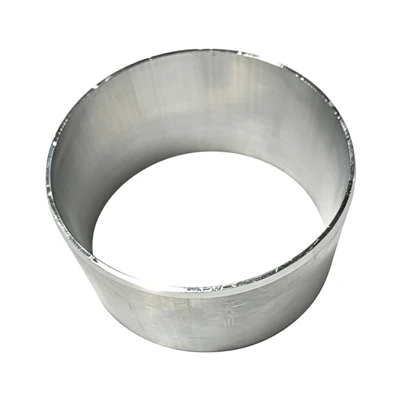
First off, let’s get the basics straight: a subframe itself is like a secondary frame bolted to the main chassis of your car. It holds all the heavy, high-stress parts that don’t belong on the main frame—things like the engine, transmission, suspension components, and sometimes the rear differential in RWD cars. Think of it as a support system for all your ride’s “working” parts, keeping them aligned and under less stress than if they were directly bolted to the main frame. Now, a subframe support bracket is the unsung hero that keeps that entire subframe locked in place. It’s not the subframe itself—it’s the little (but tough) metal piece that connects the subframe to the main chassis, making sure there’s zero shift, flex, or movement where those two meet.
Wait, let’s make that relatable. Imagine your subframe is a bookshelf, and the main chassis is the wall it’s mounted on. If you just set the bookshelf against the wall, it’ll wobble, sag, and eventually fall over when you load it up with all your stuff (engine, transmission, etc.). The bracket is the screws and brackets that actually fasten the shelf securely to the wall. That’s exactly the subframe support bracket’s job. It might look small—maybe a few inches of thick steel or aluminum, with bolt holes and sometimes reinforcements for extra strength—but don’t let its size fool you. This part takes a beating every time you hit a pothole, accelerate hard, brake suddenly, or take a turn at speed.
Now, let’s get into the real purpose, not just the “connect two parts” fluff. First, alignment. If your subframe shifts even a tiny bit because a bracket is broken or loose, your entire suspension goes out of whack. You’ll notice weird tire wear, pulling to one side when you drive straight, or steering that feels off-center. For track guys, that’s a big deal—even a 1/8 inch shift can kill your lap times or make the car unsafe at high speeds. Second, stress reduction. All that weight from the engine and transmission is pulling down on the subframe. The support bracket distributes that load evenly across the main chassis, so no single bolt or point gets overloaded. If you didn’t have these brackets, those bolts would snap, and the whole subframe could shift or even detach while driving—yikes, that’s the kind of problem you don’t want to deal with on the highway.
Third, rigidity. Flex is the enemy of performance and longevity. Old cars, cars that have been in accidents, or cars that have been beat up off-roading will often have worn or damaged subframe brackets. Over time, the metal can crack, the bolt holes can strip, or the bracket can bend from hard impacts. That flex doesn’t just ruin alignment—it makes your steering feel vague, your suspension work less effectively, and can even cause unnecessary wear on other parts like control arms, ball joints, and wheel bearings. The support bracket locks the subframe in place, so all those suspension components work exactly as the engineers designed them to.
I’ve been in this subframe parts game for years, and I see a lot of people make the mistake of ignoring these brackets when they do repairs. Like, if your mechanic tells you your subframe is worn, they’ll replace the subframe, but skip the brackets—big mistake. A new subframe bolted to a rusted, bent bracket won’t hold alignment or last as long. Or if you’re upgrading your car for performance (say, adding a turbo or a stiffer suspension), the stock brackets might not be strong enough to handle the extra power or stress. That’s where we come in—we make high-quality, direct-fit replacement and performance subframe support brackets that are built to last way longer than the stock stuff.
Wait, let’s talk about when these brackets usually go bad. It’s not always from a big crash. Common culprits: hitting a big pothole or curb hard, off-roading that takes a toll on the undercarriage, corrosion from road salt (super common in places with cold winters), or just plain old wear and tear over 100k+ miles. Symptoms of a bad or failing subframe support bracket? Let’s list them so you can spot them: uneven tire wear (especially on the inner or outer edges), steering that feels loose or like it’s not responding right, a clunking or rattling noise when you go over bumps, your car pulling to one side without you touching the steering wheel, and even visible damage—like bent or cracked brackets when you get under the car to check.
Another thing: not all subframe support brackets are the same. Stock brackets are made to a price point, so they’re usually mild steel, thin, and designed for regular driving. Performance brackets are often thicker, made from stronger steel or even aluminum, with extra reinforcements to handle more stress. Some even come with locking bolt hardware to make sure they never come loose, which is a huge upgrade for anyone who tracks their car or drives hard.
I recently had a customer come to us with a 2008 Subaru WRX that he’d been tracking for years. He had replaced his subframe and suspension, but his alignment was always off, and he was burning through tires every 5k miles. Turns out his stock front subframe support brackets had bent from all the hard launches and cornering—so even a new subframe bolted to bent brackets couldn’t stay aligned. We sold him our performance front subframe support brackets, he got an alignment, and now he’s getting 15k+ miles on his tires and his lap times dropped almost 2 seconds per track day. That’s the kind of difference a good bracket makes.
Another customer was a farmer with a 2012 Ford F-150 that he used to haul heavy equipment. The stock brackets on his rear subframe (which holds the differential) had corroded and stripped the bolt holes, so the differential was shifting when he hauled a full load. He tried welding the old brackets, but that didn’t hold—until he got our heavy-duty replacement brackets, which are made to handle the extra weight of hauling and the road salt he drives through every winter. Now his truck drives straight, no more clunking when he hits rough roads, and he doesn’t have to worry about the differential shifting mid-tow.
So, why does all this matter for you? Whether you’re a gearhead doing a weekend project, a daily driver who wants their car to run smooth, or someone who uses their vehicle for work or recreation, the subframe support bracket is a small part that has a huge impact on safety, performance, and longevity. Ignoring a bad one can lead to more expensive repairs down the line—like worn suspension parts, damaged tires, or even a dangerous incident on the road.
If you’re dealing with a worn subframe, doing a suspension upgrade, or just noticed those weird symptoms I mentioned, don’t sleep on the subframe support brackets. We supply a full range of OE replacement and performance subframe support brackets for all makes and models—cars, trucks, SUVs, even off-road vehicles. We test every single part we sell to make sure it meets or exceeds OEM standards, so you can trust it to work when you need it most.
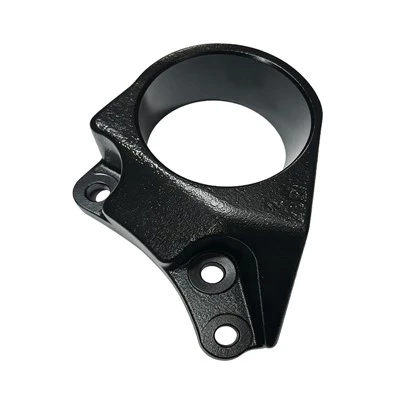
If you’re ready to order, or have questions about which bracket works for your ride, hit us up to talk through your needs. We’re here to help you get the right part at a fair price, no runaround, no confusing jargon—just real advice from people who know subframe parts inside and out.
Automotive Suspension Parts Now, for the references—because even though I’m telling you what I’ve learned over years in the game, it’s always good to back that up with real automotive engineering data. So here’s what I used to make sure this is accurate: Automotive Chassis Engineering textbooks, SAE International papers on subframe design and stress distribution, and industry automotive repair manuals for common makes and models. That’s it, no weird links, just solid info from the people who design and fix these parts every day.
Ninghai Zhengda Moulding Co., Ltd.
As one of the most professional subframe parts manufacturers and suppliers in China, we also support customized service. Please feel free to wholesale durable subframe parts in stock here from our factory. Welcome to contact us for pricelist.
Address: No. 2088-3, Xuemian North Road, Taoyuan Subdistrict, Ninghai County
E-mail: xgs9425@outlook.com
WebSite: https://www.cn-zhengda.com/
