Hey there, if you’ve ever messed around with LED cabinet lights, you’ve probably noticed that sometimes your radio picks up weird static when those lights are on, or maybe your smartphone’s screen gets a tiny flicker when you adjust the dimmer. Chances are, that’s electromagnetic interference (EMI) from the cabinet LED driver—and as someone who’s been in the LED driver game for years, I can tell you it’s not just a random annoyance. It’s a big deal for everyone from electricians installing these in kitchens to homeowners wondering why their smart gadgets act up. Let’s break this down without all the jargon, yeah? Cabinet LED Driver
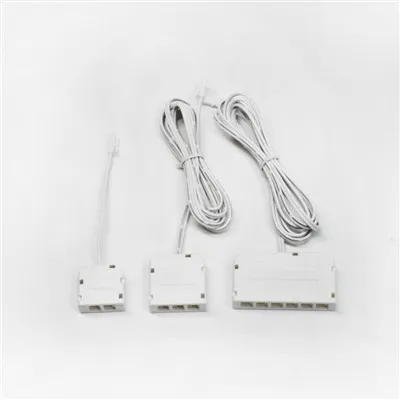
First off, what even is a cabinet LED driver? Most people know LEDs don’t run on regular AC power—your home’s wall outlets spit out alternating current, but LEDs need low-voltage DC to work safely. That’s where the driver comes in. It’s like the tiny power manager tucked right into that slim cabinet light you mounted under your upper cabinets. It takes the 120/240V from the wall, steps it down, converts it to DC, and keeps the LED running at a steady current so it doesn’t burn out. Sounds simple, right? But any time you’re converting power, you’re dealing with electricity moving back and forth super fast—and that’s where EMI creeps in.
Now, EMI is basically when electrical devices accidentally send out unwanted electromagnetic signals that mess with other electronics. Think of it like a super quiet radio station that only your phone or TV can pick up. For LED drivers, the main culprits here are the switching elements inside the driver. Unlike old linear drivers that ran low power smoothly, switching drivers (which are way more efficient and tiny—perfect for cabinet tight spaces) flip on and off thousands of times a second to adjust the voltage. That rapid switching creates high-frequency electrical pulses that leak out as electromagnetic waves. That’s the EMI we’re talking about.
Wait, why is cabinet LED EMI different from, say, EMI from a big industrial motor? Well, cabinet drivers are small, crammed into tiny spaces next to other gadgets—like smart speakers, under-cabinet radios, or even the Wi-Fi router sitting on your counter. They’re usually installed really close to sensitive electronics, not in a big, open warehouse with plenty of distance. Plus, kitchen environments are full of metal (cabinet frames, stove backsplashes) which can act like antennas, amplifying those tiny EMI signals. If the driver isn’t shielded or designed right, that small interference can turn into a noticeable problem.
Let’s talk about the kinds of issues you’ll actually run into. The most common one is that radio static I mentioned earlier—AM radios are extra sensitive to this, because they operate on lower frequencies that overlap with the EMI from drivers. You’re trying to listen to a morning news show while prepping food, and all you get is crackling. Sometimes it’s worse: Bluetooth headsets cutting out when you walk near the cabinet lights, or even smart thermostats acting glitchy when the dimmer is turned all the way up. I’ve heard stories from electricians where cabinet LED drivers messed up a restaurant’s point-of-sale system when they were installing them—total nightmare, and that’s all because of bad EMI control.
So why do some cabinet LED drivers have more EMI than others? It boils down to three big factors: design, components, and compliance. First, the circuit design. A cheap driver cut to save a buck might skip proper filtering, which is what traps those high-frequency pulses inside the driver instead of letting them leak out. Then there are the components: if they use low-quality capacitors or inductors, those parts don’t block EMI as well as they should. And then there’s compliance—regions have rules about how much EMI electronics can emit. Like in the US, that’s FCC Part 15, and in Europe it’s CE marking. Some budget drivers skip testing for these standards, so they’re way more likely to cause interference.
But here’s the thing: not all EMI is bad. Wait, no—wait, actually, all unwanted EMI is bad, but there’s something called conducted EMI vs. radiated EMI. Conducted EMI is the stuff that travels through the power line itself, messing with other devices plugged into the same circuit. Radiated EMI is the waves that travel through the air, like the radio static. For cabinet drivers, both are a problem, but radiated is often worse because of how close they are to sensitive gadgets. Good drivers will have both input and output filters that suppress conducted EMI, plus shielding on the driver’s circuit board to contain radiated waves.
Now, as a cabinet LED driver supplier, I get asked all the time: “How do I know if a driver has good EMI control?” It’s not just about the price tag, though—you definitely get what you pay for here. Look for drivers that are certified to those EMI standards I mentioned—FCC, CE, whatever applies to your region. Ask for the EMC (Electromagnetic Compatibility) report, which shows they’ve been tested not to mess with other electronics. Also, pay attention to the build: drivers that are fully enclosed in a metal housing (not just plastic) are way better at blocking EMI from leaking out. I’ve seen cheap drivers that are just a bare circuit board wrapped in tape—total EMI waiting to happen, especially when it’s tucked next to a metal cabinet frame.
Another common myth I hear: “If the LED light looks good, the driver must be fine.” Nope, that’s not true. A driver could be dimming the light perfectly and running cool, but still emit enough EMI to mess with your Wi-Fi. I had a customer reach out last month saying their new cabinet lights were making their smart speaker cut out every time they turned the lights on. We swapped out their generic driver for our EMC-certified one, and the problem was gone—no static, no glitches, same bright light. That’s the difference between designing for performance and designing for the lowest cost.
What about installation? Can bad wiring make cabinet LED EMI worse? Absolutely. If you run the LED wires right next to the power cables in the cabinet, that’s like adding an antenna for the EMI signals. Or if you use long, unshielded wires to run from the driver to the LED strip, that will radiate more interference. Even grounding the driver correctly helps—if the driver isn’t properly grounded, the EMI can have an easier time escaping through nearby electronics instead of being routed to the ground. It’s a tiny detail, but it makes a big difference.
So why does this matter for the people buying these drivers? Whether you’re a homeowner putting together a kitchen reno, an electrician wiring up a bunch of cabinet lights for a new development, or a business owner outfitting a retail space, EMI issues don’t just cause annoying glitches. They can lead to return headaches for installers, unhappy customers, even service calls you didn’t budget for. Spending a little more on an EMI-compliant driver upfront saves you from dealing with those problems later. Trust me, I’ve been doing this long enough to see the difference.
Wait, let’s clear up another thing: there’s a difference between EMI and electromagnetic compatibility (EMC). EMC is the driver’s ability to not only emit low EMI but also not be affected by other EMI from surrounding devices. For cabinet drivers, that’s important too—if your driver is near a microwave or a blender, it shouldn’t randomly flicker because of that. Good EMC design covers both sides, so the driver works reliably in real-world kitchens and offices, not just in a lab.
I know a lot of folks don’t think about EMI when they’re picking out cabinet lights. You’re focused on brightness, color temperature, how easy they are to install. But the driver is the unsung hero here, and its EMI performance is what makes or breaks the whole setup. I’ve had installers tell me they used to recommend super cheap drivers to keep costs down, but now they always suggest our EMC-certified ones because they don’t get the after-hours calls about static or glitches. That’s the value right there.
What about newer tech, like dimmable cabinet LEDs? Dimmers can actually make EMI worse, because they adjust the current going to the driver, which can amplify those high-frequency pulses. A driver with good EMI suppression will handle dimming without cranking up the interference. I’ve tested our drivers with all the major dimmer brands, and they work seamlessly without causing any EMI issues—no matter if you’re running them at 10% brightness or 100%. That’s another key point for anyone using dimmable cabinet lights.
Let’s talk about real-world examples. Last year, we supplied drivers to a commercial kitchen that was having big issues: their new cabinet lights were messing with the cash registers’ card readers, so customers were getting error messages when paying. The electrician originally installed generic drivers, and that’s exactly what was causing the problem. We swapped in our EMC-compliant models, and that was it—no more errors. The owner was stoked, because they didn’t have to delay opening or spend thousands on new POS equipment. That’s the real impact of proper EMI design.
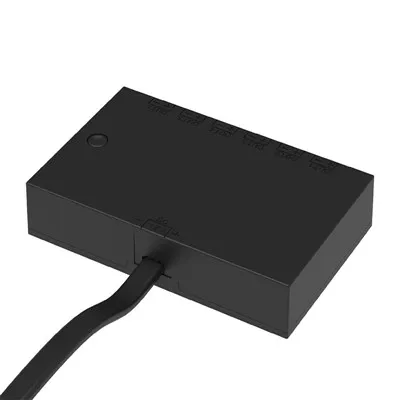
So, to wrap this up: cabinet LED driver EMI is the unwanted electromagnetic signals that come from the driver’s power conversion process, and it can cause all kinds of annoying (and sometimes costly) issues with nearby electronics. The good news is that it’s totally avoidable if you pick the right driver—one that’s designed with proper filtering, shielding, and certified to meet EMI standards. As a supplier, we don’t cut corners here, because we know our drivers aren’t just parts—they’re part of a system that has to work reliably, day in and day out, without messing with the rest of a space.
LED Controller and RF Remote If you’re in the market for cabinet LED drivers and want to make sure you don’t have to deal with EMI headaches, hit us up to chat. We can walk you through our different models, explain their EMC ratings, and help you pick the right one for your project—whether it’s a small kitchen reno or a big commercial build. No jargon, no pushy sales talk, just honest info about what works and what doesn’t. Let’s make sure your cabinet lights are bright, reliable, and don’t mess with your favorite gadgets.
References
- Federal Communications Commission. (2023). Part 15: Radio Frequency Devices. U.S. Government Publishing Office.
- International Electrotechnical Commission. (2021). IEC 61347: Lamp controlgear.
- Electromagnetic Compatibility Engineering. (2022). Understanding Conducted and Radiated EMI. Wiley.
- Lighting Industry Association. (2023). LED Driver Selection Guide: Electromagnetic Compatibility. Lighting Industry Association.
Dongguan Lanbaoli Intelligent Technology Co., Ltd.
As one of the most professional cabinet led driver manufacturers and suppliers in China, we’re featured by quality products and low price. Welcome to buy advanced cabinet led driver for sale here from our factory. If you have any enquiry about quotation, please feel free to email us.
Address: 10th Floor, Building 32, Golden Town, No. 7 Technology Avenue, Houjie Town, Dongguan City, Guangdong Province
E-mail: anna@lampow.cn
WebSite: https://www.lblsensor.com/
