Hey there! If you’ve ever stared at a flimsy, one-size-fits-all plastic handle on a tool box, tote bag, or even a cooking pot and thought, “There’s gotta be a better way to make this fit what I need,” you’re not alone. As a plastic handle supplier, I get asked this question at least three times a week: “Can you customize plastic handles for my business?” The short answer is YES—buuut there’s way more to it than just slapping a logo on a generic part. Today I’m breaking down how it works, why it matters, and what you actually need to know if you’re thinking about custom plastic handles for your next project. Plastic Handle
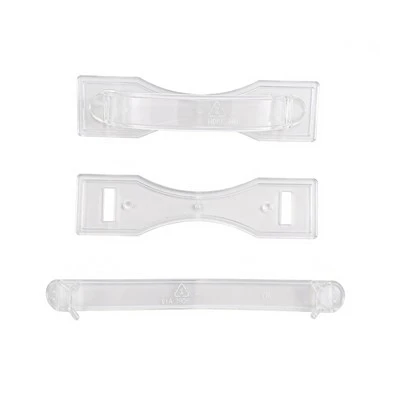
First, let’s get one thing straight: “customized” doesn’t have to mean over-the-top or super expensive. A lot of folks hear “custom” and assume it’s only for Fortune 500 companies making fancy new appliances, but that’s not true. I’ve worked with small bakery owners who needed sturdier handles for bulk mixing bowls, hardware shops that wanted color-coded handles for power tool cases, even a local craft brewer who needed heat-resistant handles for their beer tap carriers. All of that counts as customization, and it’s totally doable.
Let’s start with the basics of how plastic handles are made, because that’s where the customization magic happens. Most plastic handles we produce use injection molding—fancy way of saying we melt plastic pellets, inject ’em into a mold shaped exactly like what you want, and let it cool. That process is the foundation of custom work, because the mold is the only thing that changes for a new design. If you have a specific shape, size, texture, or feature, we just make a new mold for it. No need to rework the entire production line, though there are a few key things to think about before jumping in.
First up: material choice. Not all plastic is created equal, and picking the wrong one for your use case is a quick way to end up with a handle that breaks or melts. Let’s say you’re making a handle for a tote bag that’ll hold heavy grocery items—you need a plastic that’s flexible but durable, right? That’d be polypropylene (PP) or low-density polyethylene (LDPE)—both super common, affordable, and resistant to moisture, which is perfect for bags or kitchen tools. But if you’re making a handle for a welding tool that gets hot, you can’t use PP—it’ll warp. You’d need something like nylon (polyamide) or fiberglass-reinforced plastic, which can handle high temps up to 300°F or more. I once had a client from a construction company come to me with a custom handle idea for jackhammers; they thought regular plastic would work, but we talked them into fiberglass-reinforced nylon, and those handles haven’t had a breakage issue in two years. It’s way better to pick the right material first than to have to reorder replacements every month.
Next, size and shape. This is the big one for most custom requests. Generic handles only come in a handful of standard lengths—like 6-inch, 8-inch, 10-inch—but if your product is an odd size, say a 14-inch handle for a giant outdoor cooler, we can mold that. We also can adjust the grip: if a handle is for something people hold for hours (like a wheelbarrow or a garden shovel), we can add texture, ridges, or even a soft rubber overmold for extra comfort. I had a mom-owned stroller company reach out last year; their original handles were straight, and parents complained that holding them for walks gave hand cramps. We redesigned a curved, ergonomic shape with a subtle non-slip texture, and their sales went up because of it. Shape customization isn’t just for comfort, either—if you need a handle that locks into a specific slot on your product, we can mold the ends to fit exactly that slot, no modifications needed on your end.
Color is another huge customization win. A lot of people want handles that match their brand. If your company uses a specific navy blue or forest green, we can color the plastic pellets before molding, so every handle is that exact shade. We even did a custom neon pink for a toy company’s tote bags—kids went crazy for it, and it made their products stand out on store shelves. The key here is we use colorants that don’t affect the plastic’s durability, so you don’t have to sacrifice strength for a cool color. No cheap paint that chips off a week later—this is all color mixed into the material itself.
Then there’s logos and branding. Wait, can you put your company logo on a plastic handle? Absolutely. There are two common ways to do this: pad printing and laser etching. Pad printing is great for full-color logos or designs that have lots of details. We use a soft pad that transfers ink from a cliché to the surface of the handle, so even small, intricate logos look crisp. Laser etching is more for simple text or one-color logos—you use a laser to burn the design into the plastic, so it’s permanent and won’t wear off, which is perfect for handles that get a lot of use (like tool handles). I always tell clients to pick pad printing for consumer-facing products and laser etching for heavy-duty tools—both hold up way better than stick-on decals, which peel off after a few uses.
Now, let’s talk about the stuff people usually ask that doesn’t make it sound like custom is worth it: cost and lead time. I won’t lie—custom handles aren’t the same as buying 10,000 generic ones off the shelf for $0.20 each. There’s an initial mold cost, which is the big one. Molds can range from a few hundred dollars for a simple, small shape to a few thousand for a complex, ergonomic design with lots of details. But here’s the good news: that mold is yours forever. Once we make it, you can order as many handles as you want down the line without paying for the mold again. That’s why it makes sense for long-term projects—if you’re gonna be using these handles for a year or more, the initial mold cost gets spread out over all the units, so it’s way cheaper per handle than buying generic ones that don’t fit your product.
Lead time is another common concern. Generic handles ship in a week or two, but custom ones take a bit longer. Usually, it’s 4-6 weeks from when you approve the design to when you get your first order. Why? We first do a prototype—usually a 3D printed version, so you can hold it, test the grip, check the color, and make tweaks before we make the final mold. That prototype step is key, because once you make the mold, changing a design is more expensive. I always push clients to test prototypes with a small group of their customers too—like, if you’re making handles for patio chairs, have a few people hold the prototype for 10 minutes and see if their hands get tired. No use ordering 50,000 handles if the shape is uncomfortable!
Wait, let’s address a myth I hear all the time: “Custom handles are only for big orders.” Yeah, you can’t make a custom mold for 10 handles—that’s not cost-effective. But most suppliers (including me) have minimum order quantities that are pretty low, especially for small businesses. I’ve worked with a craft maker who only needed 500 custom handles for her woven market bags—we did a small mold for her, and the per-handle cost was only a dollar more than generic ones. It just depends on the complexity of your design. If you need something super simple, even a small order works. If it’s a really complex, one-of-a-kind handle, you might need a bit higher minimum, but it’s never as wild as people think.
Let me also talk about common mistakes people make when ordering custom handles, because I’ve seen them all. First, not testing prototypes. I had a client a few years ago who ordered custom handles for a line of coolers, and they skipped the prototype step. They designed a handle that looked great on paper, but when they got the final handles, the grip was too narrow for people with big hands, and the plastic was too stiff to fold. They had to scrap 2,000 handles and start over, which cost them way more than the prototype would’ve. Second, not being specific about color. Everyone says “red,” but there’s a huge difference between a bright cherry red and a deep maroon. I always ask for a Pantone color code, so we get the exact shade you want—no guesswork. Third, waiting too late. If you need handles for a trade show in three months, don’t wait four weeks before reaching out. Mold making and production take time, so give yourself at least two months for custom work.
Now, let’s get to the fun part: real examples of custom handles we’ve done that made a difference. Last year, we worked with a small electric grill company. Their original handles were generic black plastic, and customers kept complaining that they got too hot to touch when the grill was on. We used heat-resistant nylon, added a hollow center so air could flow through (that cools the handle down), and molded their logo on the side. The company told us that after switching to our custom handles, their customer satisfaction rate jumped 15%—all because of a small tweak to the handle. Another client: a local brewery that wanted custom handles for their growlers. They wanted their logo etched, in a specific gold color, and shaped to fit the neck of the growler perfectly (so it didn’t slide around). We did that, and their custom growlers became a top seller—people would buy them just for the unique handle.
So, if you’re sitting there thinking, “My product would be way better with custom plastic handles,” here’s what to do next. First, figure out the basics: what’s the handle going to be used for? (That tells you what material you need.) What size and shape do you need? What color? Do you want a logo or branding? Second, reach out to a supplier (like me—we specialize in plastic handles) and ask questions. Don’t be intimidated if you don’t have all the answers—good suppliers will walk you through the material options, prototype process, and costs. Third, ask for a prototype. Always. It’s the only way to make sure the handle works for your product and your customers.
Wait, one last thing: sustainability. I know that’s a big topic right now, and a lot of people are concerned about plastic waste. We get it, too. That’s why we offer custom handles made from recycled plastic, or even biodegradable plastic options for products that need to be eco-friendly. If you’re making tote bags that are meant to be reused, we can use post-consumer recycled PP for your handles, so the entire product is sustainable. No more generic plastic handles that end up in landfills—custom handles can be part of a greener product, not an afterthought.
At the end of the day, custom plastic handles aren’t just a luxury. They’re a way to make your product work better, stand out from the competition, and make your customers happier. You don’t have to settle for a one-size-fits-all handle that’s too flimsy, the wrong color, or uncomfortable to use. Can plastic handles be customized? Hell yes—all you need is a clear idea of what you need, a good supplier to walk you through the process, and the willingness to test a prototype or two.
If you’re ready to talk about your custom handle project, just reach out. We can chat about your product, send over prototype options, and get you a quote that fits your budget. No jargon, no hidden fees—just straightforward answers and handles that work for you.
Plastic Hand Strap References
ASTM D4101 – Standard Specification for Polypropylene Plastic Bottles and Parts
ASTM D792 – Standard Test Methods for Density and Specific Gravity (Relative Density) of Plastics by Displacement
Injection Molding: A Comprehensive Guide, Society of the Plastics Industry, Inc. (SPI)
Tengzhou Fujin Plastic Products Co., Ltd.
As one of the most professional plastic handle manufacturers and suppliers in China, we also support customized service. With abundant experience, we warmly welcome you to buy bulk plastic handle made in China here and get pricelist from our factory. For price consultation, contact us.
Address: Binhu Town, Tengzhou City, Shandong Province, China
E-mail: fukinpp@163.com
WebSite: https://www.tzfujin.com/
