Color coated steel has emerged as a popular building material in various construction projects across the globe. Its aesthetic appeal, durability, and relatively low cost make it a prime choice for both residential and commercial buildings. But how does color coated steel perform in cold climates? As a supplier of color coated steel, I’ve had numerous inquiries about this topic, and I’m excited to delve into it. Color Coated Steel

The Basics of Color Coated Steel
Before we discuss its performance in cold conditions, it’s essential to understand what color coated steel is. Color coated steel is essentially steel that has been treated with a pre – painted coating. This coating can be made from different substances, such as polyester, silicon – modified polyester, and polyvinylidene fluoride (PVDF). Each type of coating has unique properties in terms of color retention, weather resistance, and corrosion protection.
The steel substrate underneath the coating is usually galvanized or galvalume. Galvanized steel has a zinc coating, which acts as a sacrificial layer, protecting the steel from rust. Galvalume steel, on the other hand, has a coating of zinc, aluminum, and silicon, offering enhanced corrosion resistance compared to traditional galvanized steel.
Cold Climate Challenges
Cold climates present a unique set of challenges for building materials. The most obvious one is the extreme low temperatures. These low temperatures can cause materials to become brittle, leading to cracks and fractures. Additionally, in cold regions, there is often a significant amount of snow and ice. The weight of accumulated snow and ice can put stress on building structures. Moreover, the freeze – thaw cycle is a major concern. When water seeps into the small pores or cracks of a material and then freezes, it expands, causing damage over time.
Color Coated Steel’s Resistance to Low Temperatures
One of the remarkable features of color coated steel is its ability to withstand low temperatures. The steel substrate itself has good mechanical properties even at low temperatures. High – quality steel used in color coated products can maintain its strength and ductility, which means it can bend and deform to some extent without breaking.
The coatings on color coated steel also play a crucial role. For instance, PVDF coatings are known for their excellent low – temperature flexibility. They can stretch and contract along with the steel substrate as the temperature changes, preventing the coating from cracking. Polyester coatings, while not as flexible as PVDF at extremely low temperatures, still offer decent performance in moderately cold climates.
Snow and Ice Resistance
When it comes to snow and ice, color coated steel performs well. Due to its smooth surface, snow and ice are less likely to stick compared to some other rough – textured building materials. This means that the weight load on the building structure is reduced, minimizing the risk of structural damage caused by excessive snow and ice accumulation.
In addition, the corrosion – resistant properties of the underlying galvanized or galvalume steel are vital in areas where snow often contains salt or other de – icing agents. These substances can be highly corrosive to unprotected metals. The zinc or zinc – aluminum – silicon coating on the steel substrate acts as a barrier, preventing the rust – causing agents from reaching the steel.
Handling the Freeze – Thaw Cycle
The freeze – thaw cycle is perhaps the most challenging aspect of cold climates for building materials. Color coated steel, however, is well – equipped to handle this. The combination of the flexible coating and the strong steel substrate helps it endure the repeated expansion and contraction caused by freezing and thawing.
The continuous layer of the coating also serves as a shield, preventing water from penetrating the steel. If water were to reach the steel, it could cause rust to form, weakening the material over time. As long as the coating remains intact, color coated steel can resist the harmful effects of the freeze – thaw cycle for an extended period.
Energy Efficiency Considerations
In cold climates, energy efficiency is a top priority for building owners. Color coated steel can contribute to this aspect. Dark – colored coatings can absorb solar energy during the day, which can help in naturally heating the building. On the other hand, light – colored coatings can reflect sunlight, reducing the heat gain in the building during the relatively warmer days in winter.
Case Studies
To illustrate the real – world performance of color coated steel in cold climates, let’s look at a few case studies. In some remote areas of Canada, where winter temperatures can drop to well below – 30°C, many commercial warehouses have been constructed using color coated steel. These buildings have withstood the harsh winters for over a decade without significant signs of damage. The coating has retained its color and integrity, and the steel structure remains strong.
Similarly, in Scandinavian countries, color coated steel is widely used in residential roofings. The homeowners have reported that the steel roofs are not only aesthetically pleasing but also require very little maintenance. The smooth surface allows snow to slide off easily, and the resistance to corrosion ensures a long – lasting roof.
Maintenance in Cold Climates
Although color coated steel is durable in cold climates, some maintenance is still recommended. After heavy snowfalls, it’s a good idea to remove any excessive snow from the surface to prevent overloading. Inspecting the coating periodically for any signs of damage, such as chips or scratches, is also important. If any damage is found, it should be repaired promptly to prevent corrosion from starting.
Conclusion
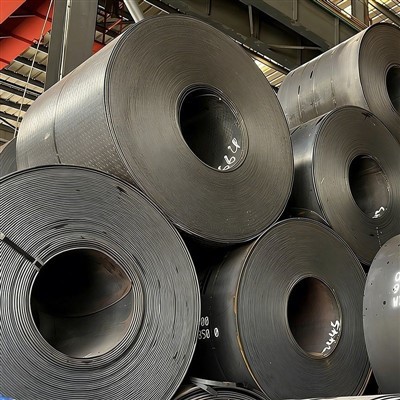
In conclusion, color coated steel performs exceptionally well in cold climates. Its resistance to low temperatures, snow and ice, and the freeze – thaw cycle makes it a reliable building material for construction projects in these regions. The energy – efficient properties and low – maintenance requirements further add to its appeal.
Cold Rolled Products As a supplier of color coated steel, I’m confident in the quality and performance of our products. If you’re planning a construction project in a cold climate and are considering color coated steel, I encourage you to reach out. We have a wide range of color options, coating types, and thicknesses to meet your specific needs. Whether it’s a small residential building or a large industrial complex, our color coated steel can provide the durability and aesthetic appeal you’re looking for. Contact us to start a discussion about your project and explore how our color coated steel can be the perfect solution for you.
References
- ASTM International. "Standards for Steel Sheet, Zinc – Coated (Galvanized) or Zinc – Iron – Alloy – Coated (Galvannealed) by the Hot – Dip Process."
- World Steel Association. "Steel in Construction Handbook."
- Painting and Coatings Industry – Association for Professionals in Coating Technology. "Coating Technology for the Metal Finishing Industry."
Kennen Steel International Co., Ltd.
With abundant experience, we are one of the most professional color coated steel manufacturers and suppliers in China. We warmly welcome you to buy high quality color coated steel in stock here and get quotation from our factory. For price consultation, contact us.
Address: No. 10, South Road, Area C2, Lecong Iron & Steel World, Shunde District, Foshan City, Guangdong Province
E-mail: info@kennensteelco.com
WebSite: https://www.kennensteelco.com/
