Petrochemical equipment plays a crucial role in the petrochemical industry, which is the backbone of modern industrial development. As a petrochemical equipment supplier, I have witnessed firsthand the importance of proper equipment repair and maintenance. In this blog, I will share some insights on how to repair petrochemical equipment effectively. Petrochemical Equipment
Understanding the Petrochemical Equipment
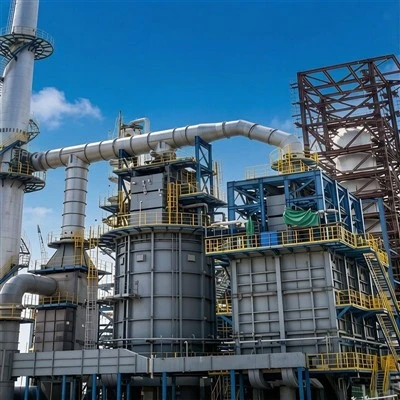
Before diving into the repair process, it is essential to have a comprehensive understanding of the petrochemical equipment. Petrochemical equipment includes various types of machinery such as reactors, heat exchangers, distillation columns, pumps, and compressors. Each type of equipment has its own unique design, function, and operating conditions.
For example, reactors are used to carry out chemical reactions under specific temperature, pressure, and chemical conditions. Heat exchangers are designed to transfer heat between two fluids. Distillation columns are used to separate different components of a mixture based on their boiling points. Pumps are used to move fluids from one place to another, and compressors are used to increase the pressure of gases.
Understanding the design and function of the equipment is crucial for identifying the root cause of the problem and selecting the appropriate repair method. It is also important to have a good understanding of the operating conditions of the equipment, such as temperature, pressure, and chemical composition of the fluids. These factors can have a significant impact on the performance and lifespan of the equipment.
Regular Inspection and Maintenance
One of the most effective ways to prevent equipment breakdowns and reduce repair costs is to conduct regular inspections and maintenance. Regular inspections can help identify potential problems early on, allowing for timely repairs and preventing more serious damage.
Inspections should be carried out according to a predetermined schedule, which may vary depending on the type of equipment and its operating conditions. During the inspection, the equipment should be thoroughly examined for signs of wear, corrosion, leaks, and other damage. Non-destructive testing methods such as ultrasonic testing, magnetic particle testing, and radiographic testing can be used to detect internal defects in the equipment.
In addition to inspections, regular maintenance is also essential for keeping the equipment in good working condition. Maintenance tasks may include cleaning, lubrication, adjustment, and replacement of worn parts. Following the manufacturer’s recommended maintenance procedures and schedules is important to ensure the equipment’s optimal performance and longevity.
Identifying the Problem
When the equipment malfunctions, the first step is to identify the problem accurately. This requires a systematic approach and a good understanding of the equipment’s operation.
The first step is to gather as much information as possible about the problem. This may include the symptoms of the malfunction, such as abnormal noise, vibration, or temperature, as well as the operating conditions at the time of the malfunction. It is also important to review the equipment’s maintenance history and any previous repair records.
Once the information has been gathered, the next step is to conduct a visual inspection of the equipment. This can help identify any obvious signs of damage, such as leaks, cracks, or worn parts. If necessary, more detailed inspections can be carried out using non-destructive testing methods or by disassembling the equipment.
In some cases, the problem may be caused by a combination of factors, such as a mechanical failure and a chemical reaction. In these cases, it is important to consider all possible causes and to use a systematic approach to identify the root cause of the problem.
Selecting the Repair Method
Once the problem has been identified, the next step is to select the appropriate repair method. The choice of repair method will depend on several factors, such as the type and severity of the damage, the availability of replacement parts, and the cost of the repair.
In some cases, the damage may be minor and can be repaired using simple techniques such as welding, brazing, or patching. These methods are relatively inexpensive and can be carried out quickly. However, they may not be suitable for more severe damage or for equipment that is subject to high stress or pressure.
In other cases, the damaged parts may need to be replaced. This may involve ordering new parts from the manufacturer or a supplier. The replacement parts should be of the same quality and specifications as the original parts to ensure the equipment’s proper operation.
In some cases, it may be necessary to carry out a complete overhaul of the equipment. This involves disassembling the equipment, inspecting all the parts, and replacing any worn or damaged parts. A complete overhaul can be a time-consuming and expensive process, but it can also extend the equipment’s lifespan and improve its performance.
Hiring a Professional Repair Service
Repairing petrochemical equipment can be a complex and dangerous task. It requires specialized knowledge, skills, and equipment. In many cases, it is recommended to hire a professional repair service to carry out the repairs.
A professional repair service will have the necessary expertise and experience to identify the problem accurately and to select the appropriate repair method. They will also have access to the latest tools and equipment, which can help ensure the repairs are carried out safely and efficiently.
When hiring a professional repair service, it is important to choose a reputable and experienced company. You should also ask for references and check the company’s credentials and certifications. It is also important to agree on the scope of the work, the cost of the repair, and the timeline for completion.
Conclusion
Repairing petrochemical equipment is a critical task that requires a systematic approach and a good understanding of the equipment’s operation. By conducting regular inspections and maintenance, identifying the problem accurately, selecting the appropriate repair method, and hiring a professional repair service when necessary, you can ensure the equipment’s proper operation and extend its lifespan.
Metallurgical Equipment As a petrochemical equipment supplier, I am committed to providing high-quality equipment and excellent after-sales service. If you have any questions or need assistance with petrochemical equipment repair, please do not hesitate to contact me. I would be happy to discuss your needs and provide you with a customized solution.
References
- Smith, J. (2018). Petrochemical Equipment Maintenance and Repair. New York: Elsevier.
- Jones, R. (2019). Handbook of Petrochemical Equipment. London: Wiley.
- Brown, S. (2020). Petrochemical Equipment Troubleshooting and Repair. Houston: Gulf Publishing Company.
Jiangsu Dongfang Whole-Set Equipment Manufacturing Group Co., Ltd.
We are one of the most professional petrochemical equipment manufacturers and suppliers in China, also support customized service. With abundant experience, we warmly welcome you to buy durable petrochemical equipment from our factory. If you have any enquiry about pricelist, please feel free to email us.
Address: No. 9, Industrial Park, Xinqiao Town, Jingjiang City, Jiangsu Province
E-mail: dfctwm@163.com
WebSite: https://www.dongfangequip.com/
