Hey there! I’m a supplier of Transformer Valves, and today I wanna chat about the flow characteristics of these important components. Transformer Valve

Basics of Transformer Valves
First off, let’s get a bit of background on what transformer valves are. They’re key parts in transformers, used to control the flow of fluids (usually oil) within the system. This flow is super important for keeping the transformer cool and functioning properly.
When we talk about the flow characteristics, we’re looking at how the fluid moves through the valve. There are a few main factors that affect this, like the valve’s design, the pressure of the fluid, and the viscosity of the fluid.
Design and Flow
The design of a transformer valve has a huge impact on its flow characteristics. For example, the size of the valve opening matters a lot. A larger opening generally allows for a greater flow rate. But it’s not just about the size; the shape of the opening also plays a role. Some valves have round openings, while others might have more oval or rectangular shapes.
The internal structure of the valve is also crucial. Valves can have different types of internal passages, like straight or curved ones. Straight passages usually offer less resistance to the fluid flow, which means the fluid can move through more easily. On the other hand, curved passages can create more turbulence, which might be useful in some cases to mix the fluid or to control the flow in a specific way.
Another design aspect is the presence of any moving parts inside the valve. Some valves have flaps or diaphragms that can open and close to control the flow. These moving parts can add an extra level of complexity to the flow characteristics. When the valve is fully open, the flow is usually at its maximum. But as the valve starts to close, the flow rate decreases, and the way the fluid moves through the valve changes as well.
Pressure and Flow
Pressure is another major factor in the flow characteristics of transformer valves. The pressure of the fluid on the inlet side of the valve is what drives the flow. Higher pressure generally means a higher flow rate, assuming the valve is open enough to allow the fluid to pass through.
However, there’s a limit to how much pressure the valve can handle. If the pressure gets too high, it can cause damage to the valve or even lead to a leak. That’s why it’s important to choose a valve that can handle the expected pressure in the transformer system.
The pressure drop across the valve is also an important consideration. When the fluid passes through the valve, there’s usually a decrease in pressure. This pressure drop is affected by the valve’s design and the flow rate. A well-designed valve will have a relatively small pressure drop, which means that the fluid can maintain its energy as it moves through the system.
Viscosity and Flow
The viscosity of the fluid is the third key factor in the flow characteristics of transformer valves. Viscosity is a measure of how thick or sticky the fluid is. Oil, which is commonly used in transformers, has a certain viscosity that can change depending on the temperature.
When the oil is cold, it becomes more viscous, which means it flows more slowly. This can be a problem in cold environments, as the valve might not be able to handle the thicker fluid as easily. On the other hand, when the oil is hot, its viscosity decreases, and it flows more easily.
The valve needs to be designed to handle a range of viscosities. Some valves have adjustable openings or other features that can compensate for changes in viscosity. For example, a valve might have a mechanism that can open wider when the fluid is more viscous to maintain the flow rate.
Real – World Applications
In real – world transformer systems, these flow characteristics are crucial for the proper operation of the transformer. If the flow rate is too low, the transformer might not get enough cooling, which can lead to overheating and damage. On the other hand, if the flow rate is too high, it can put extra stress on the valve and other components of the system.
For example, in a large power transformer used in a utility grid, the valve needs to be able to handle a high flow rate of oil to keep the transformer cool during normal operation. But during startup or shutdown, the flow rate might be lower, and the valve needs to be able to adjust accordingly.
In smaller transformers, like those used in industrial equipment, the flow requirements might be different. The valve might need to be more precise in controlling the flow to ensure that the transformer operates efficiently.
Our Products and Flow Characteristics
As a supplier of transformer valves, we take these flow characteristics very seriously. Our valves are designed to provide optimal flow in a variety of conditions. We use high – quality materials to ensure that the valves can handle the pressure and temperature variations in transformer systems.
We have a range of valve designs to suit different applications. Some of our valves are designed for high – flow applications, while others are more suitable for low – flow or precise – control applications. We also offer valves with adjustable features to compensate for changes in fluid viscosity.
Why Choose Our Transformer Valves
One of the reasons to choose our transformer valves is our focus on quality and performance. We test our valves thoroughly to ensure that they meet the required flow characteristics. Our valves are also designed to be reliable and durable, which means less maintenance and longer service life for your transformer system.
Another advantage is our customer support. We have a team of experts who can help you choose the right valve for your specific application. We can also provide technical advice on installation and operation to ensure that you get the best performance from our valves.
Let’s Connect
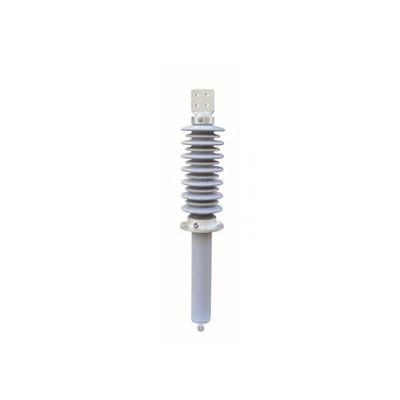
Porcelain Bushing If you’re in the market for transformer valves, I’d love to have a chat with you. Whether you need a valve for a large power transformer or a small industrial application, we’ve got the products and expertise to meet your needs. Don’t hesitate to reach out to us to discuss your requirements and see how our transformer valves can benefit your system.
References
- "Transformer Handbook" by some well – known transformer experts.
- Industry standards and guidelines related to transformer valves.
- Technical papers on fluid flow in transformer systems.
Hebei Anmei Electrical Equipment Co., Ltd.
Hebei Anmei Electrical Equipment Co., Ltd. is one of the most professional transformer valve manufacturers and suppliers in China, specialized in providing high quality products and service. Please feel free to buy customized transformer valve made in China here from our factory. Contact us for quotation.
Address: Hejian Yingzhou Economic Development Zone, Cangzhou City, Hebei Province
E-mail: sales@anmeielec.com
WebSite: https://www.anmeibushing.com/
