If you’ve ever stood in a cornfield at mid-summer, watching stubborn weeds fight for sunlight and nutrients right alongside your crop, you know how frustrating that battle can be. I’ve been in the agchem game for over a decade, and I’ve lost count of how many farmers I’ve talked to who complain that older herbicides either don’t hit the hard-to-kill weeds, damage their corn, or leave residues that mess with later plantings. That’s why pyroxsulam has been such a game-changer for so many of our customers, and today I want to break down exactly what it is, how it works, and why it’s become a go-to for farmers (and for us as a supplier, too). Pyroxsulam
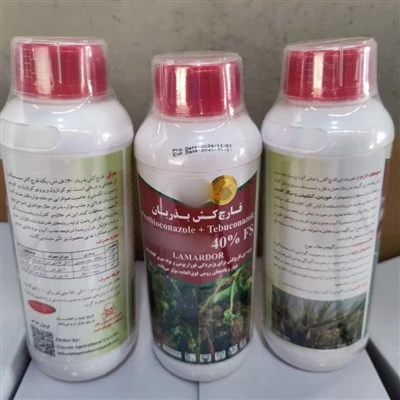
First off, let’s cut through the jargon. Pyroxsulam is a sulfonylurea herbicide, right? Wait, but don’t let that chemistry term scare you—sulfonylureas are just a class of herbicides that target specific processes in weeds, and pyroxsulam is one of the newer, more refined ones in that group. It was first developed back in the early 2000s, mostly for use on corn and wheat, and over the years it’s gotten a lot of love because it’s effective at really low rates (like, way less than a pound per acre—think ounces, not pounds) and it’s pretty gentle on the crops we’re talking about. I always tell farmers: if you’ve struggled with giant foxtail, lamb’s quarters, or those tricky little mustards that pop up in cornfields, pyroxsulam is designed to take those on without breaking the bank or harming your corn.
Let’s get into the nitty-gritty of how it works, because that’s the part that makes it different from some old-school herbicides. Weeds need an enzyme called acetolactate synthase (ALS) to make the amino acids they need to grow—kind of like how you need protein to build muscle. Pyroxsulam latches onto that ALS enzyme and blocks it dead in its tracks. Without those amino acids, the weed can’t make new cells, it stops growing within a few days, and it dies off in a couple of weeks. No weird discoloration that lasts all season, no stunting that hurts your yield—just the weeds dying on their own, usually before they can steal too much from your corn. I’ve seen this firsthand: a farmer out in Iowa told me last year he had a patch of giant ragweed that his old herbicide just wouldn’t touch, so he switched to our pyroxsulam, and by day 10 the ragweed was yellow, and day 14 it was completely dead. That’s the kind of result people care about.
Now, here’s the thing a lot of people mix up: pyroxsulam isn’t for every crop. It’s specifically labeled for corn (field, sweet, and seed corn) and winter wheat, mostly. Wait, can you use it on soybeans? No, definitely not—soybeans don’t handle ALS inhibitors well, you’d burn those up fast. And it works best when you apply it early, right when the weeds are small—like 2 to 4 inches tall, and corn is between 2 and 10 inches tall. If you wait until the weeds are waist-high, even pyroxsulam can only do so much, just like any herbicide. That’s why we always tell our customers to time their applications right, and we even have a little cheat sheet we send out for free when they order, to make sure they get the most out of it.
As a supplier, I need to be honest about the pros and cons, because farmers hate being sold something that doesn’t fit their setup. Let’s start with the big pros: first, that low application rate means less product per acre, so it’s cost-effective in the long run. You don’t have to haul 5 gallons of herbicide per field—you can use a couple ounces, mix it with water, and go. It also has great selectivity, which means it targets weeds without messing with your crop. Some older herbicides would leave corn looking a little twisted for a few days, but pyroxsulam is mild enough that you’ll barely notice any crop stress, especially if you apply it under good conditions (not too hot, not during a drought). It also has a relatively short residual in soil, so if you’re planning to plant a cover crop or a second crop after corn, you don’t have to worry about the herbicide sticking around and killing that new stuff. That’s a huge win for farmers who do no-till or crop rotation.
The cons? Well, it doesn’t work on every weed. For example, some grasses like shattercane can be tough, and if you’ve got a field full of pigweed that’s already evolved resistance to ALS inhibitors, pyroxsulam won’t do much either. That’s why we always ask our customers to send us a sample of their weeds if they’re not sure, or tell us what they’ve dealt with before, so we can recommend the right mix—sometimes adding a little bit of a grass herbicide to the pyroxsulam makes all the difference. Also, like any chemical, it needs to be stored and mixed properly. If you leave it in a tank that’s not rinsed out, or mix it in super cold water, it might not mix evenly, and you’ll get spotty coverage. We walk every new customer through that, no exceptions, because we want them to have a good experience, not waste their money.
Now, why do we (our team) carry pyroxsulam specifically? Because we’ve tested it, we’ve talked to hundreds of farmers, and we know it works when used right. But also, we make sure our product is consistent. You don’t want to buy herbicide from a supplier where one batch works great and the next is weak—so we source our pyroxsulam from manufacturers that follow strict EPA standards, test every batch for purity, and store it in temperature-controlled facilities so it doesn’t break down before it gets to you. I’ve had a customer call me a few years back saying he got a bad batch from another supplier, and his weeds didn’t die—now he only buys from us, and we’ve kept that trust ever since. That’s the stuff that matters more than any sales pitch.
Wait, let’s also talk about resistance, because that’s a big buzzword in ag right now. If you use the same herbicide over and over, weeds can evolve to not be affected by it anymore. Pyroxsulam is an ALS inhibitor, so it’s important to rotate it with herbicides that work on a different enzyme, like glyphosate or atrazine, to keep resistance from popping up. We always include that advice with every order too—we don’t want our customers to lose their product’s effectiveness because they didn’t switch it up. It’s a team effort, not just selling a chemical and moving on.
I know a lot of small farmers out there are worried about cost, especially with all the input costs these days. I get it—fuel, seed, fertilizer, herbicide, it all adds up. That’s why we work hard to keep our pyroxsulam pricing competitive, without cutting corners on quality. We also offer bulk discounts for larger operations, and even free samples for farmers who want to test it on a small part of their field before committing to a whole acreage. No hidden fees, no fine print—just straight talk, like we’ve always done in this business.
Another thing people don’t always talk about: the environmental side. Pyroxsulam is pretty selective, so it’s less likely to drift to non-target plants (like your neighbor’s garden) than some broad-spectrum herbicides. And because it’s used at such low rates, the amount that runs off into water is minimal, as long as you apply it correctly. We follow all EPA guidelines for application, and we train our team to help customers do the same—because taking care of the land isn’t just good for farmers, it’s good for everyone.
Let me wrap this up. If you’re a corn or wheat farmer tired of weeds that just won’t die, or if you’ve been dealing with crop damage from herbicides that are too harsh, pyroxsulam is definitely worth checking out. It’s not a silver bullet—nothing is—but when paired with good timing, rotation, and proper application, it’s one of the most reliable tools out there for controlling broadleaf weeds and even some grasses.

If you’re ready to learn more, or to place an order, don’t hesitate to reach out. We’re here to answer any questions you have, whether it’s about application rates, mixing, rotation, or anything else. We don’t just sell pyroxsulam—we work with you to make your farm run better.
Metazachlor References
- United States Environmental Protection Agency (EPA). Pyroxsulam Pesticide Fact Sheet.
- Bayer Crop Science. Pyroxsulam Technical Brochure.
- Farmer’s Guide to ALS Inhibitor Herbicides: Resistance Management and Application Best Practices.
- Journal of Agricultural and Food Chemistry. Efficacy and Selectivity of Pyroxsulam in Field Corn.
Changzhou Dayilong Bio-Tech Co., Ltd.
With abundant experience, we are one of the most professional pyroxsulam manufacturers and suppliers in China. Please rest assured to buy bulk high quality pyroxsulam made in China here from our factory. Good service and reasonable price are available.
Address: Hundsun Science & Technology Park 3-1, BeiTangHe Road 8, Tianning District, Changzhou City, Jiangsu, China
E-mail: Sales@dayilongbio-tech.com
WebSite: https://www.dayilongagro-chemical.com/
