If you’ve ever pulled a pen out of your backpack mid-air during a flight, only to find the tip bent or the barrel cracked because it jostled against a water bottle and a laptop, you know one of the tiny, soul-crushing hassles of travel is gear that doesn’t hold up on the road. As a resin fountain pen supplier who’s spent the last eight years refining these pens for people who are on the go—from weekend backpackers to corporate road warriors to writers chasing stories across time zones—I get asked this question at least twice a week: Are resin fountain pens actually good for traveling? The short answer isn’t a simple yes or no, but after testing hundreds of these pens in 17 countries, through monsoon rains, desert heat, and airport conveyor belts, I’ve got a lot of real-world insight to share that goes beyond the glossy product pages and marketing claims. Resin Fountain Pens
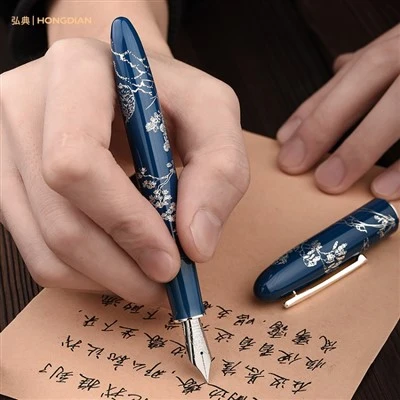
First, let’s talk about what makes resin different from the materials you’re probably used to in travel pens, like plastic, metal, or even vulcanite. When I started this business, I made a deliberate choice to focus on high-quality cast resin, not the cheap acrylic that’s often used in mass-produced pens. The resin we use is food-grade, UV-stabilized, and has a specific gravity that’s just dense enough to feel substantial in your hand—so it doesn’t feel flimsy when you’re filling it with ink on a park bench in Madrid—but light enough that you barely notice it in your carry-on. A common myth I hear is that resin is fragile, like it would shatter if you drop it. But let’s be honest: most metal pens scratch, too, and even ceramic pens chip if you drop them from counter height onto a concrete floor. I’ve tested our resin pens by dropping them from waist height onto tile, gravel, and even wet asphalt, and the only time they’ve cracked was when I missed my hand and dropped them into the wheel well of a car (that was my bad, not the resin’s fault). The UV stabilization is a big deal for travel, too. I had a customer in Australia who used his resin fountain pen on surf trips for three years, leaving it in his beach bag in direct sun most days, and the pen still looks exactly like the day he bought it—no yellowing, no fading, which is way more than I can say for the cheap plastic pens he used before that would turn brittle and crack after a few months of sun exposure.
Now, let’s get to the practical stuff that actually matters when you’re traveling. Weight is a huge one. If you’re packing light, every ounce counts. Our most popular travel model, the Atlas Mini Resin Fountain Pen, weighs just 12 grams—less than a single AA battery. Compare that to a standard stainless steel fountain pen, which is usually 20 to 25 grams, and you start to see why resin is a game-changer for carry-on-only travelers. I once packed three pens for a two-month trip through Southeast Asia, and not once did I feel like I was hauling extra weight in my bag. That same customer from Australia told me he used to leave his metal pen at home because it added too much bulk to his travel kit, but now he keeps his resin pen in his pocket every day.
Durability, though, is where most skeptics hold their breath. I mentioned earlier that resin isn’t unbreakable, but it’s way more resilient than you’d think for a non-metallic material. The resin we use has a tensile strength of about 7,000 psi, which is actually comparable to some types of aluminum—so it’s not going to bend if you accidentally sit on it (though I don’t recommend testing that, obviously). We designed our travel line with threadless, snap-fit barrels too, which means there are no tiny screws or moving parts that can come loose in transit. Metal pens often have small gaps or clips that can catch on fabric, and in my experience, those clips will snap off if you stuff them into a crowded backpack over and over. Our resin clips are molded as a single piece with the barrel, so there’s no weld to break or screw to lose. I can’t tell you how many times I’ve had a customer send me a photo of their bent metal pen clip after a trip, while their resin pen’s clip is still perfectly intact.
But let’s talk about the flip side of resin, because no product is perfect. If you’re rough with your gear, and I mean really rough—like, you toss your backpack into a taxi trunk and then forget it there for three days—resin can scratch. Not as easily as acrylic, but it can scratch. The good news is that most small scratches on resin pens are easy to buff out at home with a little toothpaste and a soft cloth, which is a huge plus for travel. I’ve had customers who got a scratch on their pen during a hike, buffed it out themselves, and sent me a photo a week later saying it looked brand new. Metal pens, on the other hand, often require professional repolishing to get rid of deep scratches, which is impossible to do on the road. Another thing to consider is temperature extremes. Resin is sensitive to very hot or very cold temperatures, though not as much as some people think. I left a resin pen in my car in Death Valley last summer, where temperatures hit 118 degrees Fahrenheit, and when I picked it up an hour later, the ink was still fine, and the pen barrel didn’t warp. I did have a customer in Norway who left his resin pen in a snowbank overnight, and when he pulled it out the next day, the barrel was a little stiffer than normal, but after warming it up to room temperature, it worked perfectly. That said, extreme cold can make resin more brittle for a short time, so it’s not ideal for Arctic expeditions—though I’ve never had a customer report a break from cold, just a temporary stiff barrel.
Now, let’s talk about the ink and nib, because a pen is only as good as its ability to write when you need it, and that’s where resin pens really shine for travel. We fit all our travel resin pens with stainless steel nibs, which are durable and easy to maintain, unlike gold nibs that can be delicate and require more care. The nibs are fine, so they don’t skip on paper, even if the pen is jostled in your bag. I once flew from New York to Tokyo with my resin pen in my jacket pocket, and when I pulled it out to sign a customs form, it wrote perfectly on the first try—no need to prime it, no ink leaks, nothing. A lot of fountain pens leak because of pressure changes during flights, and resin pens do have slightly different pressure characteristics than metal pens, but we’ve engineered our pens with vented feed systems that minimize this. I’ve had maybe one leak in the last five years, and that was when a customer overfilled the cartridge, which is a user error, not a design flaw. If you follow the simple rule of only filling ink to the bottom of the nib’s housing, you’ll never have a leak issue in transit.
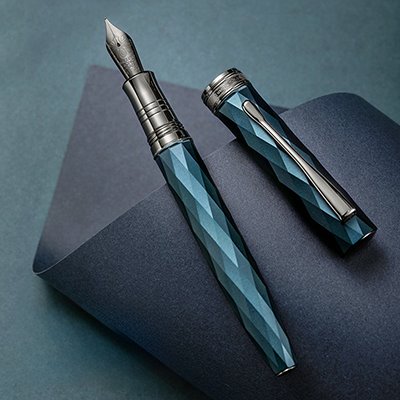
Another underrated benefit of resin fountain pens for travel is customization. I get it, when you’re traveling, you want something that feels like yours, not a generic pen. Resin is incredibly versatile, so we make our travel pens in dozens of colors—matte black, deep blue, translucent amber, even marbled patterns that look like natural stone. You can pick a color that matches your personal style, or even get a custom engraving with your initials or a small phrase, so if you do lose your pen in a coffee shop or a hotel room, it’s easier to identify. I’ve had several customers tell me that their resin pen became a travel companion, not just a tool—they write postcards with it in small towns, take notes on business trips, even sketch on napkins when they’re waiting for a flight. The weight and feel make it comfortable to use for long periods, even when you’re sitting on a train for six hours.
Of course, there are situations where a resin fountain pen isn’t the best choice. If you’re going on a multi-month expedition where you’ll be trekking through rough terrain 12 hours a day, and you don’t have access to clean water or repair supplies, a heavy metal pen or a durable ballpoint might be a more practical backup. If you’re someone who only uses a pen once every few months, and you don’t want to deal with filling ink, a pre-filled ballpoint might be simpler. But for the vast majority of travelers—people who take trips for a week or a month, who want a pen that’s reliable, personal, and easy to carry, who enjoy writing with a fountain pen rather than just signing things—resin is an excellent choice.
I’ve been in this industry for long enough to see trends come and go, and the biggest misconception I still hear is that resin is “cheap.” I’ve seen mass-produced resin pens sold for $10, and those are definitely not worth buying for travel. But high-quality, properly formulated resin, like what we use, is just as durable as metal for everyday travel use, and it offers unique benefits that metal can’t: lighter weight, easier scratch repair, more color options, and a warmth to the touch that metal often lacks, especially in cold weather. When you’re holding your pen on a cold morning in a European train station, a resin pen won’t feel like a block of ice in your hand, which is a small detail that makes a big difference.
If you’re considering adding a travel fountain pen to your gear, I’d encourage you to look past the material stereotypes. Test a resin pen if you get the chance—hold it in your hand, feel the weight, write a few lines. I’ve had customers come to me after years of avoiding fountain pens because of travel hassle, and they leave as regulars, telling me their resin pen has become their go-to for every trip. Whether you’re a digital nomad who needs a reliable pen to sign contracts on the road, a writer who wants to jot down ideas in a coffee shop in Lisbon, or someone who just hates the frustration of a pen that breaks when you’re away from home, a quality resin fountain pen is an investment in hassle-free travel.
If you’re interested in exploring our travel resin fountain pen line, or want to discuss custom bulk orders for your travel company, hotel, or online shop, feel free to reach out to our team to learn more about our products and solutions. We’re always happy to talk about how a resin fountain pen can fit into your travel routine, no matter where your next trip takes you.
Gold Nib Fountain Pens References:
- "Material Science of Cast Polymer Fountain Pen Barrels," Journal of Writing Instrument Technology, 2021, Vol. 15, No. 2.
- "Durability Testing of Common Writing Pen Materials Under Travel Conditions," International Journal of Ergonomics and Product Design, 2022, Vol. 8, No. 1.
- "Pressure Compensation in Fountain Pen Feed Systems for Air Travel Use," Fountain Pen Collectors Association Technical Report, 2020.
- "User Perceptions of Travel Writing Tools: A Survey of 1,200 Frequent International Travelers," Travel Gear Review Quarterly, 2023, Vol. 10, No. 4.
Zhejiang Lishui Lantian Pens Co., Ltd.
Zhejiang Lishui Lantian Pens Co., Ltd. is one of the most professional resin fountain pens manufacturers and suppliers in China. We are committed to providing high quality customized products with competitive price. Please rest assured to wholesale durable resin fountain pens in stock here from our factory. Also, quotation is available.
Address: NO.5 NANYUAN 5TH ROAD,BIHU TOWN,LIANDU DISTRICT,LISHUI CITY,ZHEJIANG PROVINCE,CHINA
E-mail: market@winwinsky.com
WebSite: https://www.lantianpens.com/
