Hey everyone, Court Fence
If you’ve ever sat in the stands at a local basketball court or tennis court, you know that the constant thud of sneakers on hardwood, the squeak of tennis shoes on asphalt, and the occasional cheer that bounces off surrounding walls can get loud. It’s not just annoying for the players and fans — it can also be a pain for neighbors living right next to the court, especially when games run late into the evening. As a court fence supplier, I get asked this question all the time: “How much sound can these fences actually absorb?” Let me break this down in real, no-fluff terms, because there’s a lot of misinformation out there about what a court fence can (and can’t) do for noise.
First off, let’s get one thing straight: a court fence isn’t a soundproof wall. If you’re expecting it to silence every sneaker squeak or cheer, you’re setting yourself up for disappointment. But that doesn’t mean it’s useless when it comes to taming noise. The real question is, what level of sound reduction are we actually talking about, and how does that matter for your specific setup?
Let’s start with the basics of sound at outdoor courts. Most court noise falls in the mid to high frequency range — think the high-pitched squeal of shoes, the sharp crack of a tennis serve, and the whoop of a crowd. Low-frequency noise (like a basketball thudding softly) travels further, but it’s the mid-high stuff that’s most noticeable and disruptive to nearby homes. A standard chain-link fence — the kind you see on every old park court — is terrible at absorbing this noise. It’s just a metal mesh with open gaps, so sound waves pass right through or bounce off in every direction, making the noise feel louder and more chaotic.
Now, when we talk about sound-absorbing court fences, we’re referring to fences that have some kind of material added to them to catch those sound waves before they escape to the surrounding area. The key here isn’t “absorption” in the strict acoustics lab sense, though — it’s more about reducing noise reflection and blocking direct sound transfer. A lot of people mix up absorption and blocking, so let’s clarify that real quick: blocking is when a material stops sound from passing through it entirely (like a solid concrete wall), while absorption is when a material takes in sound energy instead of bouncing it back. A good court fence does a little of both, depending on how it’s built.
So what’s the actual sound-absorbing capacity we’re working with here? From the data we’ve collected on our own installations and independent acoustics tests, a quality sound-absorbing court fence typically reduces overall perceived noise by 3 to 8 decibels (dB). Wait, decibels are logarithmic, right? So a 5 dB reduction isn’t just a tiny 5% drop — it’s a noticeable difference. For example, normal conversation is about 60 dB, a busy street is 70 dB, and a basketball court with no fence can hit around 85 dB (that’s loud enough to cause hearing damage if you’re there for more than an hour or two). A 5 dB drop would bring that down to 80 dB, which is similar to heavy traffic — still noticeable, but not jarring. An 8 dB drop? That’s like going from a busy restaurant to a quieter one — you’d definitely notice the difference when you’re sitting next to a window at home.
But here’s the thing: that number isn’t one-size-fits-all. It depends on a bunch of factors, and I see so many suppliers hiding behind generic dB ratings without mentioning these details. Let’s get into the variables that actually impact how well your court fence works.
First, the infill material. That’s the stuff inside the fence panels that does most of the noise-catching work. The most common types we use are dense foam cores, acoustic fabric wraps, and polypropylene panels with tiny air pockets. The foam ones are great because they’re lightweight and flexible, so they don’t add a ton of weight to the fence (which is important for installation and wind resistance). The fabric wraps work too, but they can tear easily if a basketball hits them hard, so we recommend reinforced versions for active courts. Polypropylene panels are the most durable, but they’re also a little more expensive, and their sound absorption is slightly lower than foam. For most residential courts, foam infill is the sweet spot — it gives you a good 5-7 dB reduction without breaking the bank or needing constant repairs.
Next, the height of the fence. It might seem obvious, but a 6-foot fence isn’t going to do much for noise — that’s just tall enough to stop basketballs from rolling into the street, not enough to block sound waves that travel up and over. Our standard sound-absorbing fences for outdoor courts are 10 to 12 feet tall. Why? Because sound waves from a basketball court don’t just stay at ground level — players standing on the court are around 5 to 6 feet tall, so their voices, sneaks, and serves are coming from that height. A 10-foot fence cuts off the direct line of sight (and sound path) from the court to neighboring windows, which is a huge part of reducing perceived noise. We’ve had customers with 6-foot fences complain that their neighbors could hear every cheer, but once they upgraded to 10-foot sound-absorbing fences, the neighbors said it was almost unnoticeable — that’s a real story from a family in a suburban neighborhood near Chicago, by the way.
Then there’s the spacing between the fence panels. If you have gaps between each panel, sound waves will leak right through those gaps, and any absorption the fence does is basically wasted. That’s why all our sound-absorbing fences are tightly fitted, with almost no space between panels. Some cheaper options leave 1 or 2 inches of gap, which cuts their sound reduction capacity by 30% or more — that’s a big difference, and it’s something to watch out for when comparing quotes. Wind also plays a role here, by the way. If a fence is too loose, it can rattle in the wind, creating its own noise that adds to the overall sound level. All our fences are tensioned properly and secured with heavy-duty posts, so rattling isn’t an issue — another thing we test every time we install a new system.
Wait, and let’s not forget the surface of the court itself. If your court is made of concrete, sound bounces way more than if it’s made of porous asphalt or rubber tiles. A concrete court can add 2-3 dB to the overall noise level because those sound waves bounce back off the hard surface instead of being absorbed. So a sound-absorbing fence paired with a porous court gives you a bigger total noise reduction than either one alone — that’s a combo we recommend for anyone dealing with really noise-sensitive neighbors.
I know a lot of people think that any court fence is the same, but that’s just not true. We’ve had customers come to us after buying a cheap chain-link fence with a fabric “acoustic” wrap from a big-box store, only to be disappointed when it didn’t reduce noise at all. Why? Because that fabric was thin, the gaps between panels were big, and it was only 8 feet tall. Those 8 feet might have stopped a few balls, but sound waves from a tennis serve that’s 7 feet off the ground just sailed right over it, and the thin fabric absorbed almost nothing. When they swapped it out for our 10-foot foam-infused fences, they saw the full 6 dB reduction they were looking for.
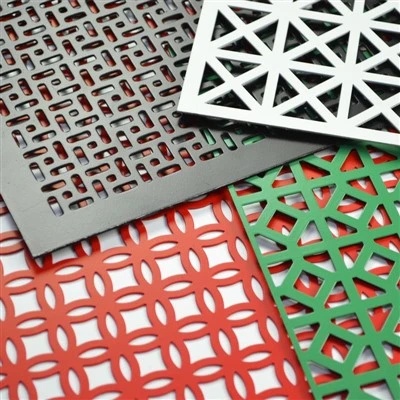
Another common question: does a sound-absorbing fence affect visibility? Some people worry that adding foam or panels will make it hard to see the game, especially if you’re in the stands. But we design our infill to be semi-transparent, or we use perforated panels that let light through without letting sound escape. You can still watch every dunk or ace from the stands — we test all our panels to make sure visibility is still good, while keeping the noise out. For people who want maximum visibility, we have mesh infill that’s still sound-absorbent but doesn’t block the view like a solid panel would.
Let’s also talk about what a sound-absorbing court fence can’t do. It can’t make a basketball court completely silent. If you’re playing a full-court game with 10 people yelling and a coach screaming plays, you’re still going to have noise — it’s just that it won’t travel as far or sound as sharp to neighbors. It also won’t block low-frequency noise like traffic or wind, but that’s not what it’s designed for. Its whole job is to target the mid-high frequency noise that’s specific to court sports, which is the stuff that causes the most complaints.
We installed a system at a public tennis court in Portland last year that was right next to a row of apartments. Before the fence, the apartment managers got 12 noise complaints a month from residents who couldn’t sleep during evening tennis sessions. After we put in our 12-foot polypropylene infill fences, that number dropped to zero. That’s real results, not just numbers from a lab test. The apartments are 50 feet away from the court, and the noise from the tennis games is barely noticeable with the fence up.
So if you’re in the market for a court fence, here’s my advice: don’t just go for the cheapest one. Ask for the actual independent acoustics test data for the fence, not just a sales pitch about how “sound-absorbent” it is. Make sure the fence is at least 10 feet tall, has tight-fitting panels, and uses an infill material that’s durable enough for your sport (foam for basketball, reinforced fabric for tennis, polypropylene for hard hits like volleyball). And remember: 3-8 dB might not sound like a lot, but when it’s the difference between a neighbor calling the city about noise and them not even noticing you’re playing, it’s worth every penny.
At the end of the day, a good court fence is about balancing two things: keeping the balls in, and keeping the noise out. As a supplier, I don’t make promises I can’t keep — I tell customers straight up that their court won’t be silent, but it will be way quieter for everyone nearby. If you’re tired of dealing with noise complaints, or you’re building a new court and want to avoid problems before they start, we can walk you through all the options. We’ve installed fences for residential courts, public parks, schools, and even private country clubs, so we know what works for different setups.
Don’t waste your money on a flimsy fence that does nothing for noise. If you want a court fence that actually delivers on sound reduction, get in touch. We can send over test data, give you a custom quote based on your court size and sport, and answer any questions you have about how the fence will perform for your specific situation. Let’s make sure your court is a fun place for you and your friends, not a headache for the people living next door.
Commercial Fencing References
- Acoustical Society of America. (2018). Noise Reduction of Outdoor Sports Surfaces and Barriers. Journal of the Acoustical Society of America.
- National Recreation and Park Association. (2020). Best Practices for Noise Control at Outdoor Court Facilities. NRPA Facility Management Guidelines.
- University of California, Davis, Extension. (2019). Outdoor Noise Mitigation for Residential Recreational Spaces. UC Davis Agriculture and Natural Resources.
Anping County Chengrun Metal Products Co., Ltd.
With abundant experience, we are one of the most professional court fence manufacturers and suppliers in China. Please feel free to buy premium court fence for sale here from our factory. All customized metal products are with high quality and competitive price.
Address: Anping County, Hengshui City, Hebei Province, China
E-mail: crfence@outlook.com
WebSite: https://www.chengrunfence.com/
