What are the maintenance costs of EDI equipment?
As a supplier of EDI and CEDI equipment, I’ve had numerous discussions with customers about the various aspects of these systems, and one question that frequently comes up is about the maintenance costs. Understanding the maintenance costs of EDI (Electrodeionization) equipment is crucial for businesses and industries that rely on high – purity water production. In this blog, I’ll break down the different components of EDI equipment maintenance costs to give you a comprehensive view. EDI and CEDI Equipment
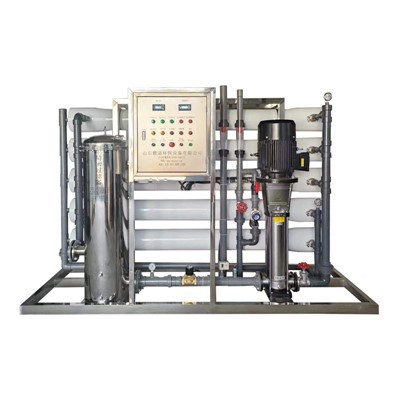
1. Initial Equipment Inspection and Setup Costs
When you first purchase EDI equipment from us, there are initial costs associated with inspection and setup. Our technicians will come to your site to ensure that the equipment is installed correctly according to the specifications. This includes checking the electrical connections, plumbing, and alignment of all components. The cost of this initial service is part of the overall maintenance cost. It’s a one – time expense, but it’s essential for the proper functioning of the equipment in the long run.
The inspection and setup process usually takes a few days, depending on the complexity of the system. Our technicians will also provide training to your staff on basic operation and safety procedures. This training is included in the initial service cost, and it helps your team to operate the equipment efficiently and reduces the likelihood of errors that could lead to costly repairs later.
2. Regular Filter Replacement
EDI systems rely on a series of filters to remove impurities from the water before it enters the ion – exchange chambers. These filters are subject to wear and tear over time and need to be replaced regularly. The frequency of filter replacement depends on the quality of the feed water. If the feed water has a high level of suspended solids or organic matter, the filters will clog more quickly, and you may need to replace them more often.
The cost of filters varies depending on the type and size of the EDI system. Generally, the more advanced the system, the more specialized the filters are, and the higher the cost. However, investing in high – quality filters is essential as they can significantly extend the lifespan of other components in the EDI system. For example, a pre – filter that effectively removes large particles can prevent damage to the ion – exchange membranes, which are much more expensive to replace.
3. Membrane Maintenance and Replacement
The ion – exchange membranes are the heart of an EDI system. They are responsible for separating and removing ions from the water. Over time, these membranes can become fouled or damaged due to factors such as scaling, organic fouling, or chemical degradation.
To maintain the performance of the membranes, regular cleaning is required. This can be done using chemical cleaning agents, which are specifically formulated for EDI membranes. The cost of these cleaning agents and the labor involved in the cleaning process contribute to the maintenance cost.
In some cases, the membranes may need to be replaced. The lifespan of EDI membranes can range from 2 to 5 years, depending on the operating conditions. Membrane replacement is a significant expense, but it’s necessary to ensure the continued high – quality water production of the EDI system.
4. Electrode Maintenance
The electrodes in an EDI system play a crucial role in generating the electric field that drives the ion – exchange process. They are also subject to corrosion and wear over time. Regular inspection of the electrodes is necessary to detect any signs of damage or degradation.
If the electrodes are corroded, they may need to be cleaned or replaced. The cost of electrode replacement depends on the type and size of the electrodes. In addition, the labor cost for electrode replacement should also be considered.
5. Energy Consumption
Although not strictly a "maintenance" cost in the traditional sense, energy consumption is an important factor to consider when calculating the overall cost of operating an EDI system. EDI equipment requires electricity to operate the ion – exchange process and the pumps.
The energy consumption of an EDI system depends on its size, capacity, and operating conditions. Larger systems generally consume more energy. However, modern EDI systems are designed to be more energy – efficient. We always recommend our customers to choose the right – sized EDI system based on their actual water production needs to minimize energy costs.
6. Labor Costs
Labor is a significant part of the maintenance cost of EDI equipment. This includes the cost of our technicians’ time for regular inspections, filter replacements, membrane cleaning, electrode maintenance, and any emergency repairs.
The labor cost can vary depending on the location and the complexity of the maintenance task. For example, if the EDI system is installed in a remote area, the travel time and cost for our technicians will be added to the overall labor cost. We work hard to optimize our service schedules and reduce the overall labor cost for our customers.
7. Predictive Maintenance and Monitoring
To minimize unexpected breakdowns and costly repairs, we recommend implementing a predictive maintenance and monitoring program. This involves using sensors and monitoring equipment to continuously monitor the performance of the EDI system.
By analyzing the data collected from these sensors, we can detect potential problems before they become serious. For example, if the pressure drop across a filter starts to increase, it may indicate that the filter is clogged and needs to be replaced soon.
The cost of installing and maintaining the monitoring equipment is an additional expense, but it can save a lot of money in the long run by preventing major breakdowns and reducing downtime.
How to Minimize EDI Equipment Maintenance Costs
As an EDI and CEDI equipment supplier, we understand that our customers are always looking for ways to minimize maintenance costs. Here are some tips:
- Proper Feed Water Pretreatment: Ensure that the feed water is properly pretreated to remove as many impurities as possible before it enters the EDI system. This can significantly reduce the frequency of filter replacement and membrane fouling.
- Regular Maintenance Schedule: Follow a regular maintenance schedule as recommended by our technicians. This includes routine inspections, filter replacements, and membrane cleaning.
- Operator Training: Provide comprehensive training to your operators so that they can operate the EDI system correctly and recognize early signs of problems.
- Choose the Right Equipment: Select the EDI system that is best suited for your specific water production needs. A well – sized system will operate more efficiently and require less maintenance.
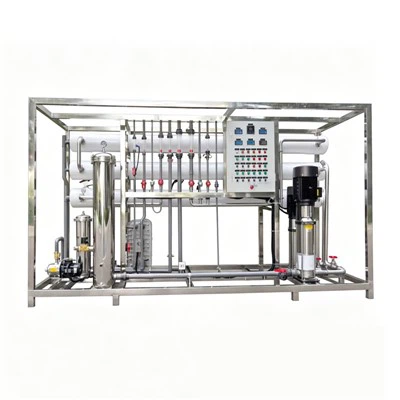
In conclusion, while the maintenance costs of EDI equipment can seem significant, they are a necessary investment to ensure the reliable and efficient production of high – purity water. By understanding the different components of the maintenance costs and implementing effective cost – saving strategies, you can manage these costs effectively.
SWRO & BWRO Equipment If you’re interested in learning more about our EDI and CEDI equipment or would like to discuss your specific water treatment needs and how to optimize the maintenance costs of our equipment, please don’t hesitate to contact us. We’re here to provide you with the best solutions and support for your water treatment projects.
References
- Water Treatment Handbook, Various authors, Published by multiple industry – related publishers
- EDI System Technical Manuals, Our company’s in – house technical resources
Shandong Yanuo Environmental Protection Equipment Co., Ltd.
We’re well-known as one of the leading edi and cedi equipment manufacturers and suppliers in China, featured by quality products and good price. Please rest assured to buy bulk edi and cedi equipment made in China here from our factory. Customized orders are welcome.
Address: North Side of the Road, 1,000 Meters West of the Intersection of Fenghuangshan West Road and Provincial Highway S102, Wangfu Subdistrict, Qingzhou City, Weifang City, Shandong Province.
E-mail: ynhb.499973983@gmail.com
WebSite: https://www.zkyaruo.com/
