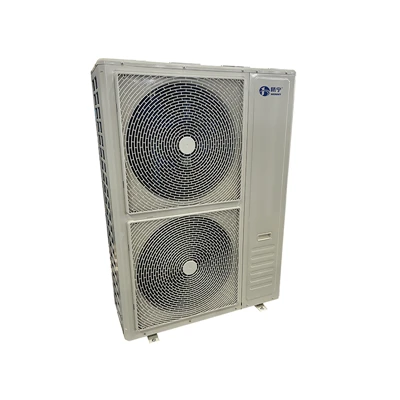
As a supplier of commercial refrigeration units, I’ve had the privilege of witnessing firsthand the crucial role these machines play in various industries, from restaurants and grocery stores to pharmaceutical companies and florists. But how exactly do these commercial refrigeration units work? In this blog, I’ll break down the science and technology behind them, explaining the key components and processes at work. Commercial Refrigeration Unit
The Basics of Thermodynamics
At the heart of every refrigeration system, including commercial units, lies the basic principles of thermodynamics. Refrigeration is essentially the process of removing heat from a space or substance and transferring it to another location. Heat naturally flows from warmer areas to cooler ones, and refrigeration systems take advantage of this principle to create and maintain a low – temperature environment.
The first law of thermodynamics, also known as the law of conservation of energy, states that energy cannot be created or destroyed, only transferred or converted from one form to another. In a refrigeration system, the energy in the form of heat is transferred from the inside of the refrigerated space to the outside. The second law of thermodynamics dictates that this heat transfer process requires work input, which is provided by the compressor in the refrigeration unit.
Key Components of a Commercial Refrigeration Unit
- Compressor
- The compressor is often considered the "heart" of the refrigeration system. It is responsible for compressing the refrigerant gas. When the refrigerant enters the compressor as a low – pressure, low – temperature gas, the compressor squeezes the gas together, raising its pressure and temperature significantly. By increasing the pressure, the compressor makes it easier for the refrigerant to release heat in the next stage of the process.
- For example, in a large commercial freezer used in a supermarket, the compressor needs to be powerful enough to handle the large volume of air and substances inside the freezer. High – quality compressors in commercial units are designed for continuous operation and can withstand the wear and tear associated with long – term use.
- Condenser
- The condenser is where the hot, high – pressure refrigerant gas from the compressor releases its heat. The refrigerant flows through a series of coils in the condenser. As air or water passes over these coils, the heat from the refrigerant is transferred to the surrounding medium.
- In a commercial setting, condensers can be either air – cooled or water – cooled. Air – cooled condensers are more common in smaller to medium – sized commercial refrigeration units, such as those used in convenience stores. They use fans to blow air over the condenser coils, facilitating heat transfer. Water – cooled condensers, on the other hand, are more efficient at removing heat and are often used in large – scale commercial applications, like industrial food processing plants, where a large amount of heat needs to be dissipated quickly.
- Expansion Valve
- After the refrigerant has passed through the condenser and turned into a high – pressure liquid, it enters the expansion valve. The expansion valve is a small but crucial component that controls the flow of the refrigerant into the evaporator.
- As the high – pressure liquid refrigerant passes through the expansion valve, its pressure drops suddenly. This rapid drop in pressure causes the refrigerant to expand and evaporate, changing from a liquid to a gas. During this phase change, the refrigerant absorbs heat from its surroundings.
- The expansion valve also helps to maintain the proper balance between the high – pressure and low – pressure sides of the refrigeration system. In commercial units, different types of expansion valves, such as thermostatic expansion valves (TXV), are used depending on the specific requirements of the system, like the type of refrigerant and the cooling load.
- Evaporator
- The evaporator is the component that actually cools the space or substance inside the commercial refrigeration unit. It consists of a series of coils through which the low – pressure, low – temperature refrigerant gas flows.
- As the warm air from the refrigerated space passes over the evaporator coils, heat is transferred from the air to the refrigerant. The refrigerant absorbs this heat and continues to evaporate. This process cools the air, which is then recirculated back into the refrigerated space.
- In a restaurant walk – in cooler, for example, the evaporator coils ensure that the temperature inside the cooler is kept at the ideal level for storing food products. The evaporator’s design is crucial, as factors like the surface area of the coils and the airflow pattern affect its cooling efficiency.
The Refrigeration Cycle
The operation of a commercial refrigeration unit can be described as a continuous cycle that involves the four key components mentioned above:
- Compression Stage: The compressor takes in the low – pressure, low – temperature refrigerant gas from the evaporator and compresses it into a high – pressure, high – temperature gas.
- Condensation Stage: The high – pressure, high – temperature refrigerant gas flows into the condenser. Here, it releases its heat to the surrounding air or water and condenses into a high – pressure liquid.
- Expansion Stage: The high – pressure liquid refrigerant passes through the expansion valve. The sudden drop in pressure causes the refrigerant to expand and evaporate, turning it into a low – pressure, low – temperature gas.
- Evaporation Stage: The low – pressure, low – temperature refrigerant gas enters the evaporator. As it absorbs heat from the air inside the refrigerated space, it evaporates further. This process cools the air, and the refrigerant then returns to the compressor to start the cycle again.
Types of Commercial Refrigeration Units and Their Working Variations
- Reach – in Coolers and Freezers
- These are common in grocery stores, convenience stores, and restaurants. They are designed for easy access to a range of products. Reach – in units typically have smaller compressors and evaporators compared to larger commercial systems. The airflow in these units is optimized for efficient cooling of the entire interior space, often with a combination of forced – air circulation and natural convection.
- Walk – in Coolers and Freezers
- Walk – in units are much larger and are used for storing a large quantity of products. They usually have multiple evaporators and condensers to ensure uniform cooling throughout the large space. In addition, due to their size, they may require more complex temperature and humidity control systems. The insulation in walk – in units is also crucial to minimize heat leakage and reduce energy consumption.
- Display Refrigeration Units
- These are used in supermarkets and retail stores to showcase products while keeping them at the right temperature. Display units often have glass doors to allow customers to view the products. The refrigeration system in these units needs to balance the cooling requirements with the need for good visibility. They may also incorporate features like LED lighting to enhance the visual appeal of the products.
- Medical Refrigeration Units
- Medical refrigeration units are designed to store vaccines, medications, and biological samples at precise temperatures. These units have strict temperature control requirements and often include backup systems to ensure the safety of the stored products. The refrigeration cycle is carefully calibrated to maintain a stable temperature, and the units may also have additional features like temperature alarms and data logging systems.
Importance of Regular Maintenance
As a supplier of commercial refrigeration units, I always emphasize the importance of regular maintenance to our customers. Over time, the components of the refrigeration unit can wear out, and dirt and debris can accumulate on the coils. This can reduce the efficiency of the system, increase energy consumption, and even lead to breakdowns.
Regular maintenance tasks include cleaning the condenser and evaporator coils, checking the refrigerant levels, and testing the compressor and other components for proper operation. By performing these maintenance tasks on a regular basis, the lifespan of the commercial refrigeration unit can be extended, and it can continue to operate at peak efficiency.
Conclusion
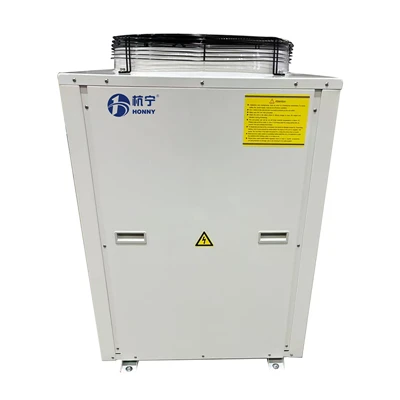
In conclusion, understanding how a commercial refrigeration unit works is essential for anyone who uses or maintains these systems. The combination of thermodynamics, well – designed components, and a precise refrigeration cycle allows these units to create and maintain the low – temperature environments required in various industries.
Swimming Pool Heat Pump If you’re in the market for a commercial refrigeration unit or need advice on maintenance and operation, I’d be more than happy to assist you. Whether you’re running a small restaurant or a large – scale industrial operation, we can provide the right solutions for your cooling needs. Reach out to us to start a discussion about your requirements and find the perfect commercial refrigeration unit for your business.
References
- Stoecker, W. F., & Jones, J. W. (1982). Refrigeration and Air Conditioning. McGraw – Hill Book Company.
- Dossat, R. J. (1991). Principles of Refrigeration. Prentice – Hall.
Hangzhou Honny Heat Energy Technology Co., Ltd.
We are one of the most experienced commercial refrigeration unit manufacturers and suppliers in China. With a professional production team, we are able to meet the needs of the majority of our customers. Please feel free to wholesale customized commercial refrigeration unit from our factory. Also, quotation is available.
Address: Dingshan Village, Wenyan Subdistrict, Xiaoshan District, Hangzhou City, Zhejiang Province
E-mail: 524435406@qq.com
WebSite: https://www.hnrnkj.com/
